Aperitivo inside an ancient Roman stadium

Stadio-di-Domiziano    domitian 89

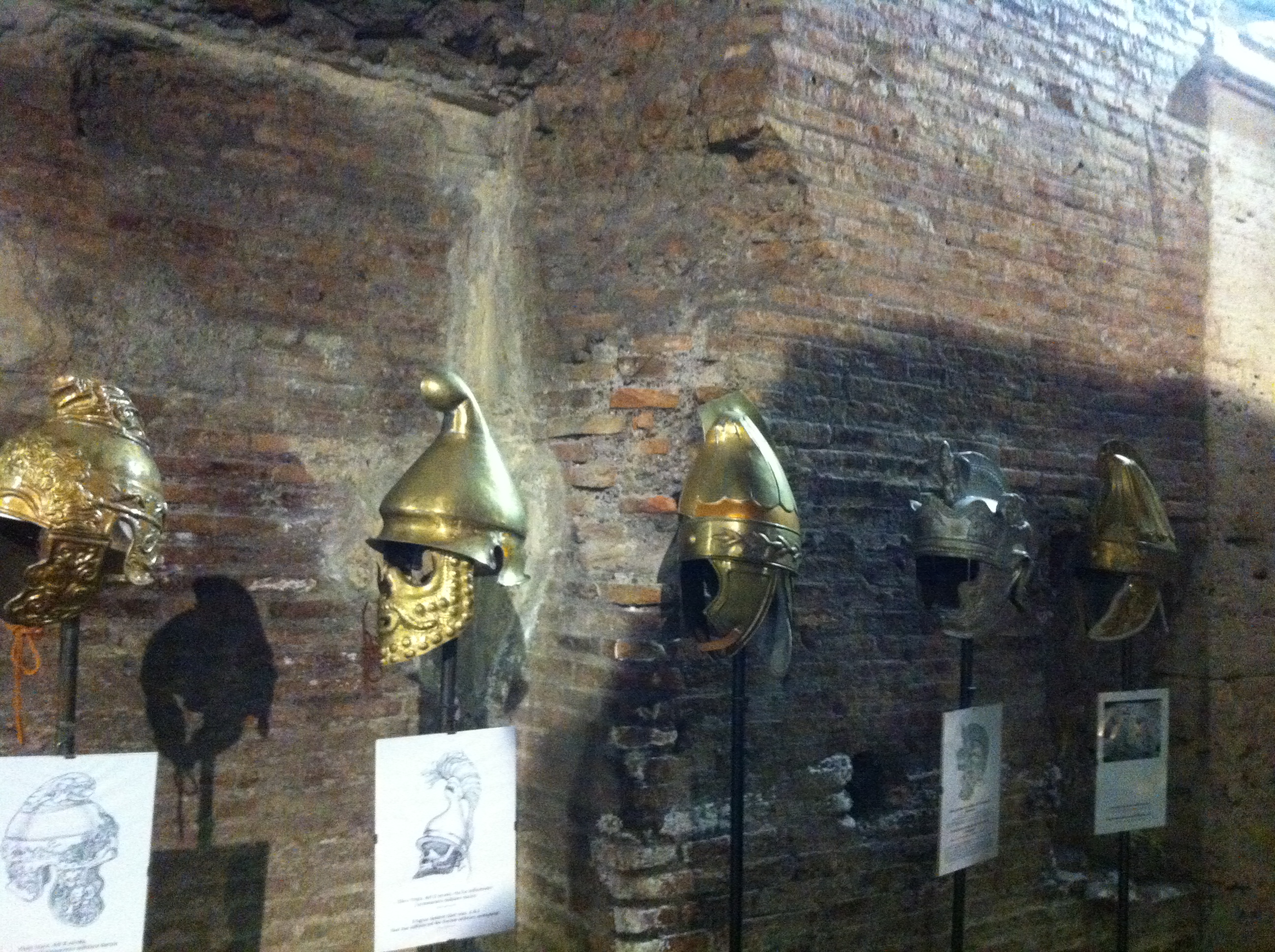
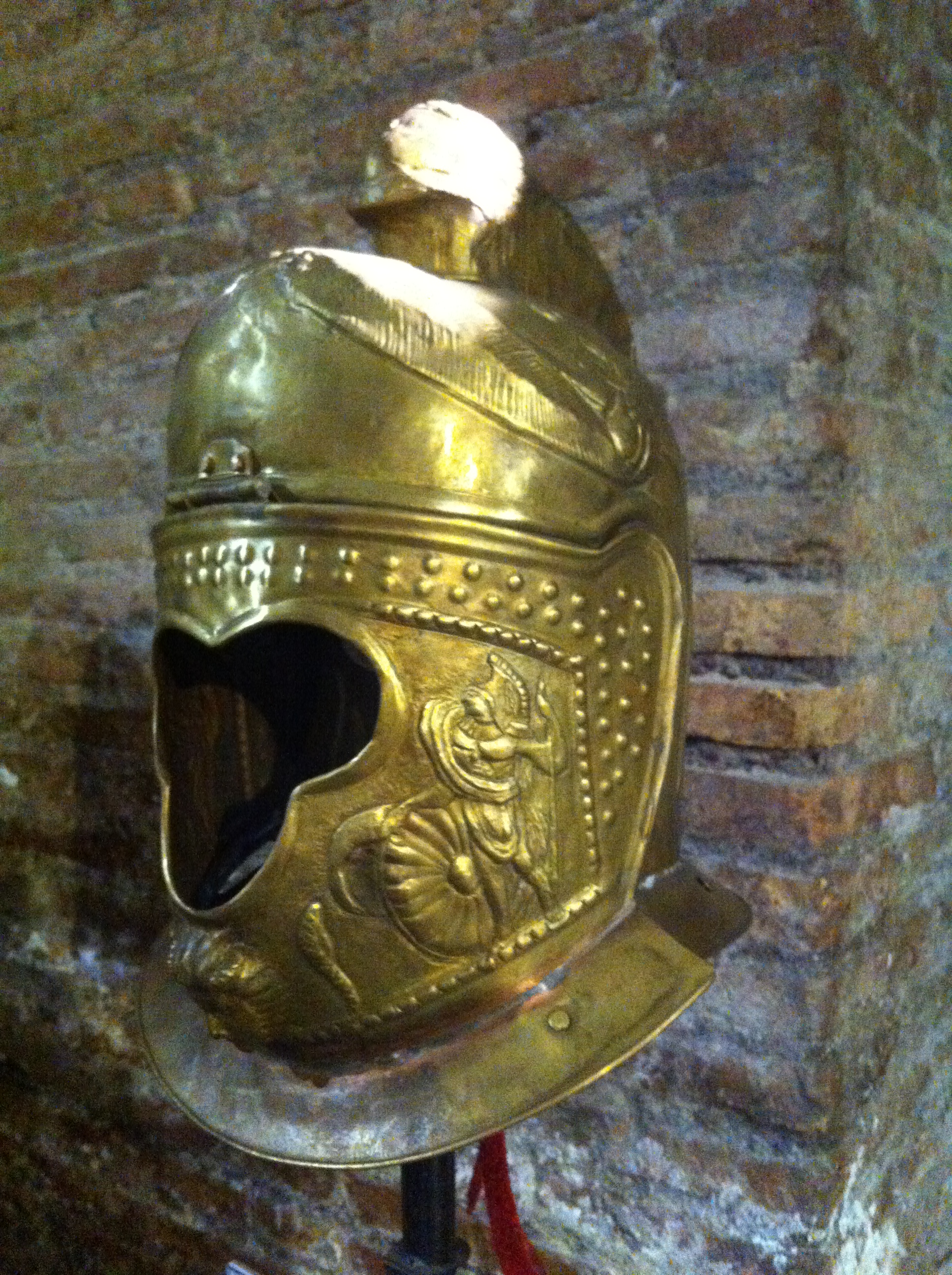
dom wear helmet   aperitivo culturale _stadio Domiziano_3

stadio_coldiretti_fb

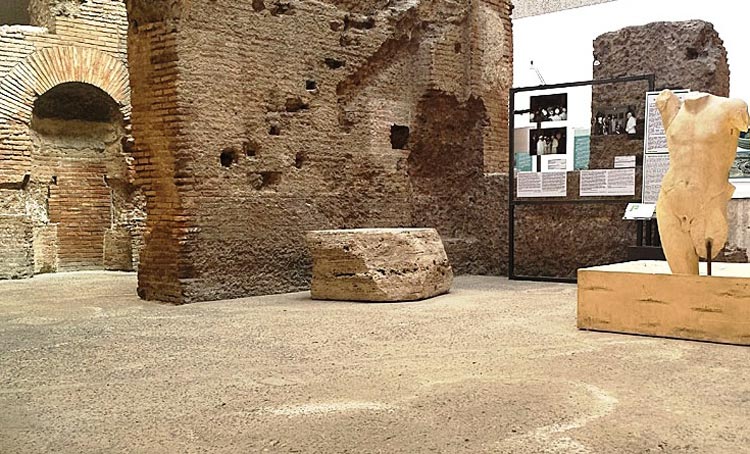
An aperitivo, in an ancient Roman stadium, underground. Feel like an archaeologist, with a glass of wine at this once in a lifetime opportunity, and recently uncovered site.

They say all roads lead to Rome, but in this case, roads lead underneath ancient Rome, to the hidden corners of the old city.

Sample ancient street food of Rome yesteryear, before entering an ancient stadium. Learn what the gladiators ate before shows, and the special wine reserved for the taste of victory, before being shown around the ruins.

The ancient stadium of Domitian (86 AD) is underneath Piazza Navona and has recently been excavated and restored.

Organised by Campagna Amica, who source local wine makers and olive oil producers to satisfy our taste buds whislt listening to an archaeologist recite some history.

http://www.campagnamica.it/Pagine/default.aspx

Posted in ITALY, ROME | Leave a comment

Oscar winning Italian costumes designs exhibited at Palazzo Braschi, Rome

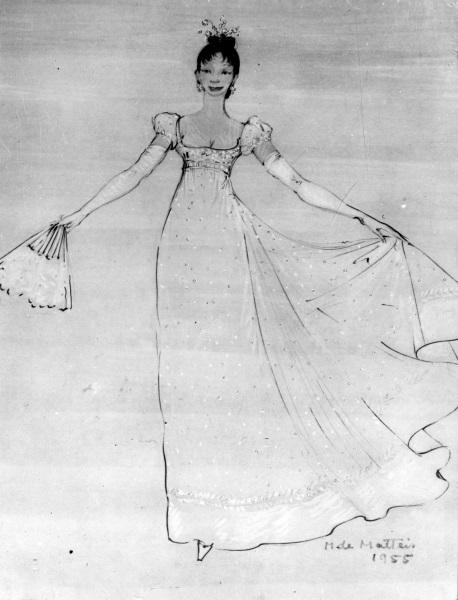
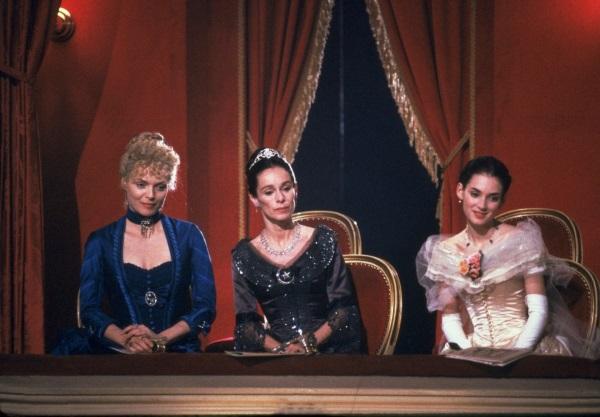
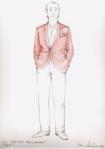
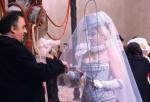
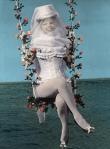
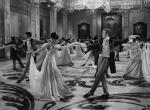
bozzetto_per_il_costume_di_audrey_hepburn_in_guerra_e_pace_cineteca_di_bologna_fondo_renzo_renzi_gallery    l_eta_dell_innocenza_martin_scorzese_costumi_gabriella_pescucci_gallery (1)

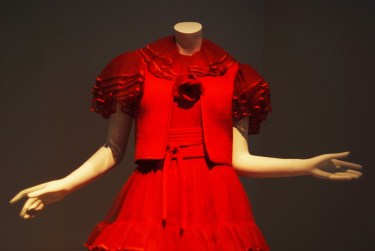
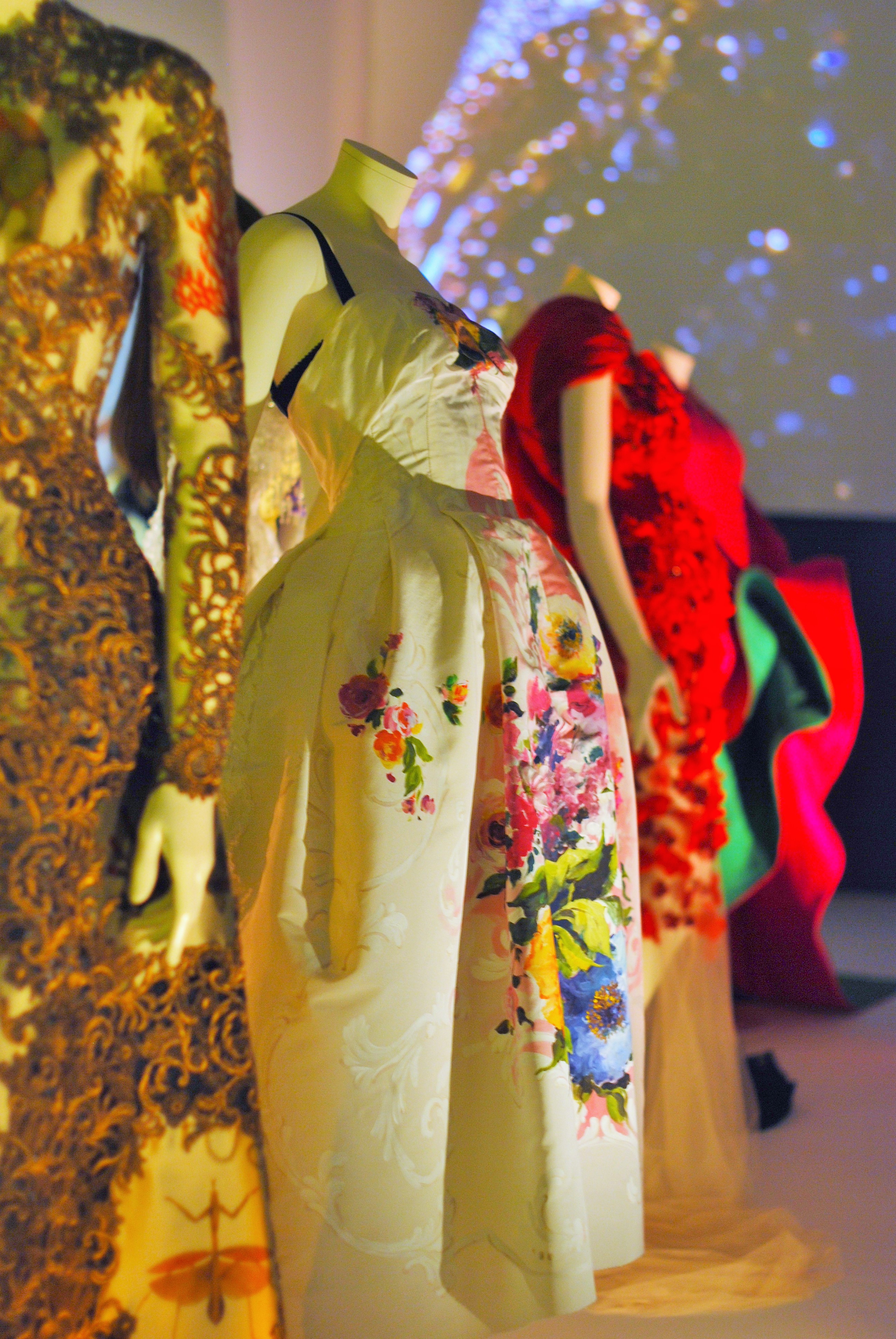
The beautiful Palazzo Braschi is currently exhibiting a brilliant dedication to Italian costumes in cinema, that earned  their designers an Oscar.

The exhibition features more than 100 original outfits, dozens of designs and a selection of objects from Italian and foreign films from the beginning to the present day, from the silent movies era to “The Great Beauty.”

Dresses of your dreams and Made In Italy at it’s best.

marie_antoniette_sophia_coppola_costumi_milena_canonero_gallery

Among the featured films are “Marie Antoinette” by Sophia Coppola, whose costumes were designed by three-time Oscar winner Milena Canonero, who has just received her ninth Oscar nomination for “The Grand Budapest Hotel”.

Other films include “The Age of Innocence” by Martin Scorsese, costumes by Gabriella Pescucci; “Il Casanova” and “Amarcord” by Federico Fellini, costumes by Danilo Donati; “The Great Beauty” by Paolo Sorrentino, costumes by Daniela Ciancio; “Death in Venice”, “The Leopard” and “Marriage Italian Style”, whose costumes were designed by Piero Tosi, nominated five times for the Academy Award for Costume Design, and honoured with an Honorary Academy Award in 2013 for his achievements in costume design over 75 years.

In addition to clothing, more than a hundred, sketches and selection of objects, the exhibition The clothes of dreams has been further enhanced with the installation of lights created by Luca Bigazzi, one of the best directors of photography internationally recognized.

The exhibition, curated by the Cineteca di Bologna, closes on March 22.

Opening hours: Tuesday – Sunday: 10.00 – 19.00; last admission 1 hour before closing time; closed Monday. Entrance ticket: € 11,00 (€9 for students).

Address: Museo di Roma Palazzo Braschi, Piazza Navona 2.

federico_fellini_il_casanova_gallery

Posted in DESIGN, FASHION, ITALY, ROME | Leave a comment

Elle Decor design exhibition Rome

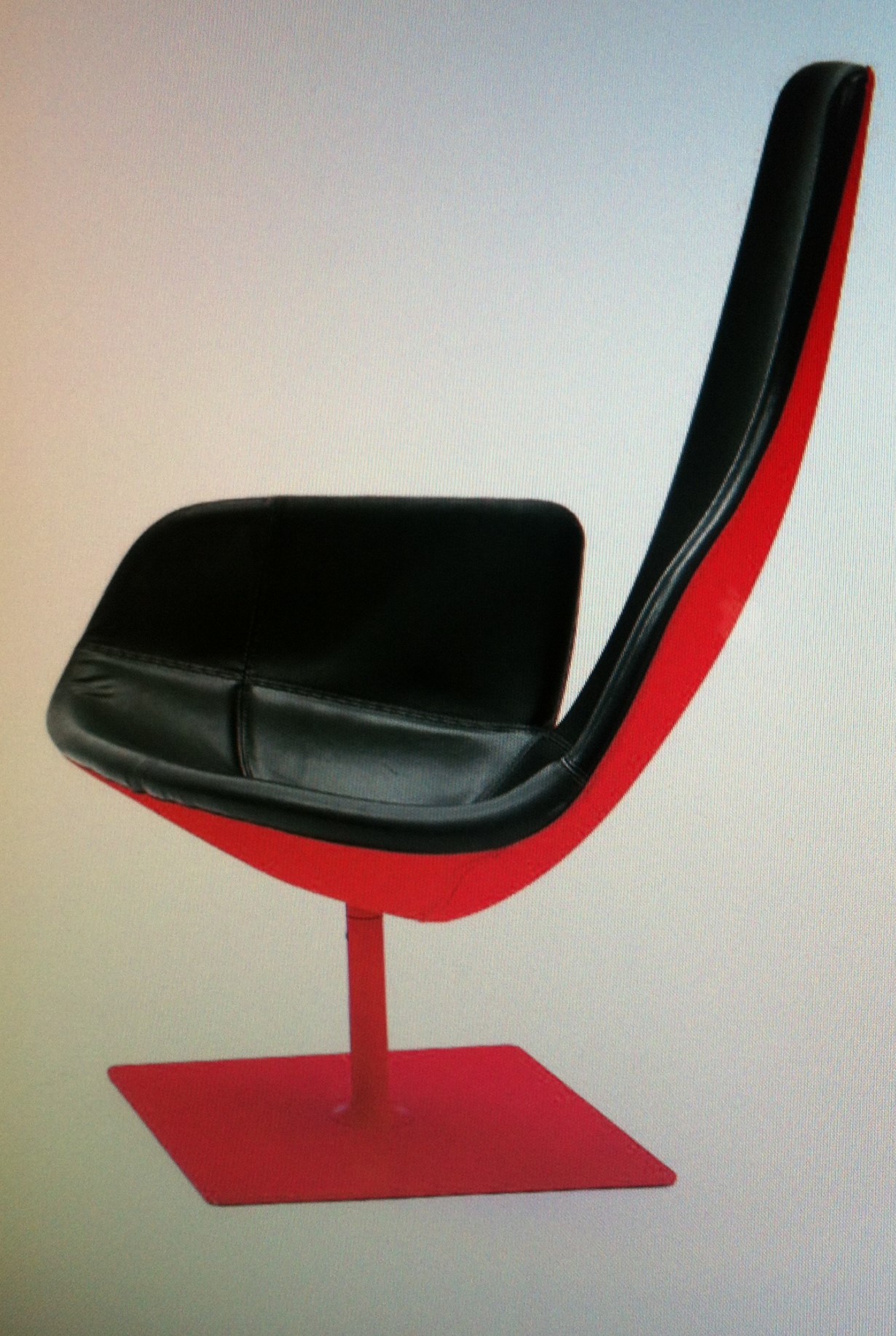
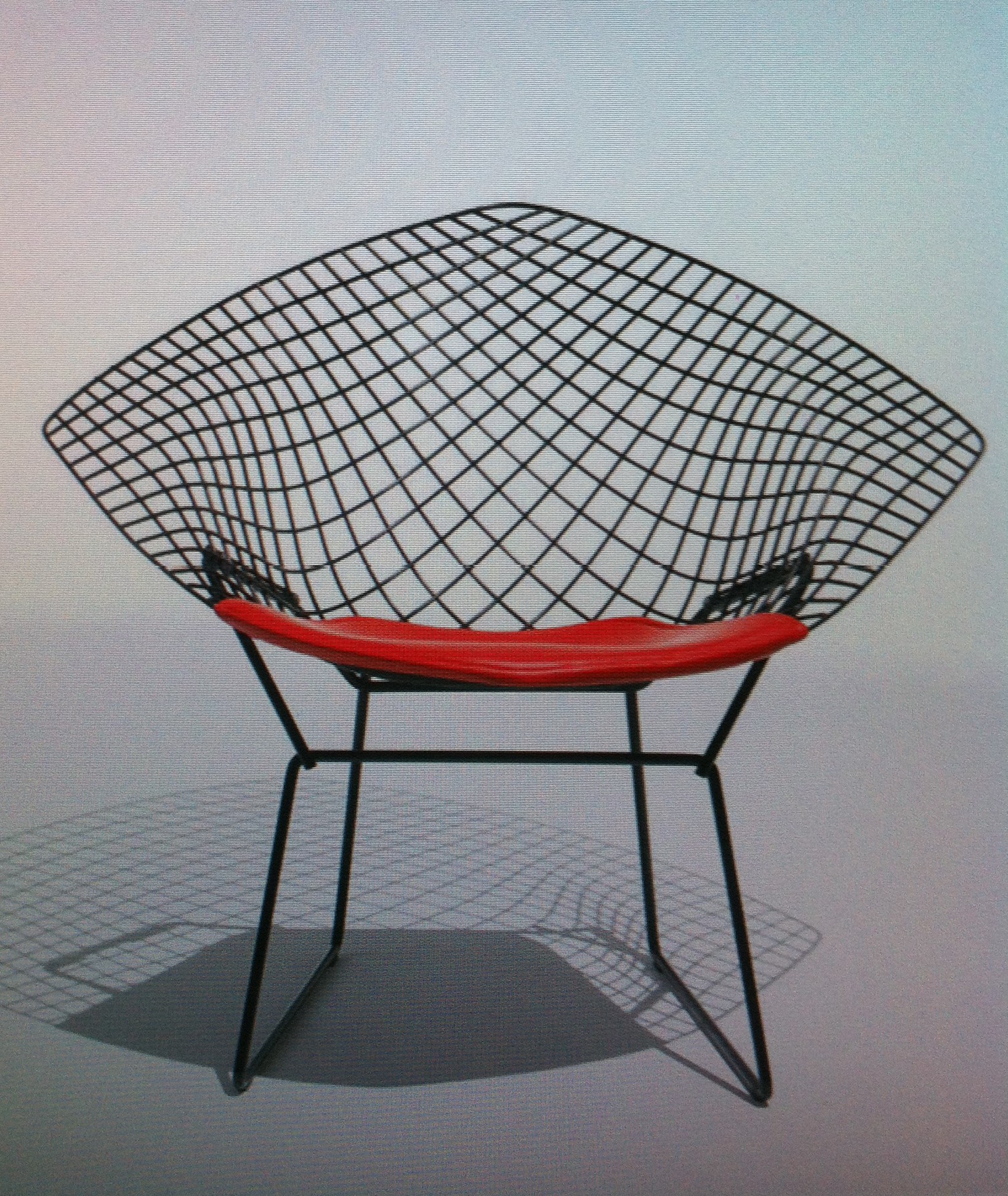
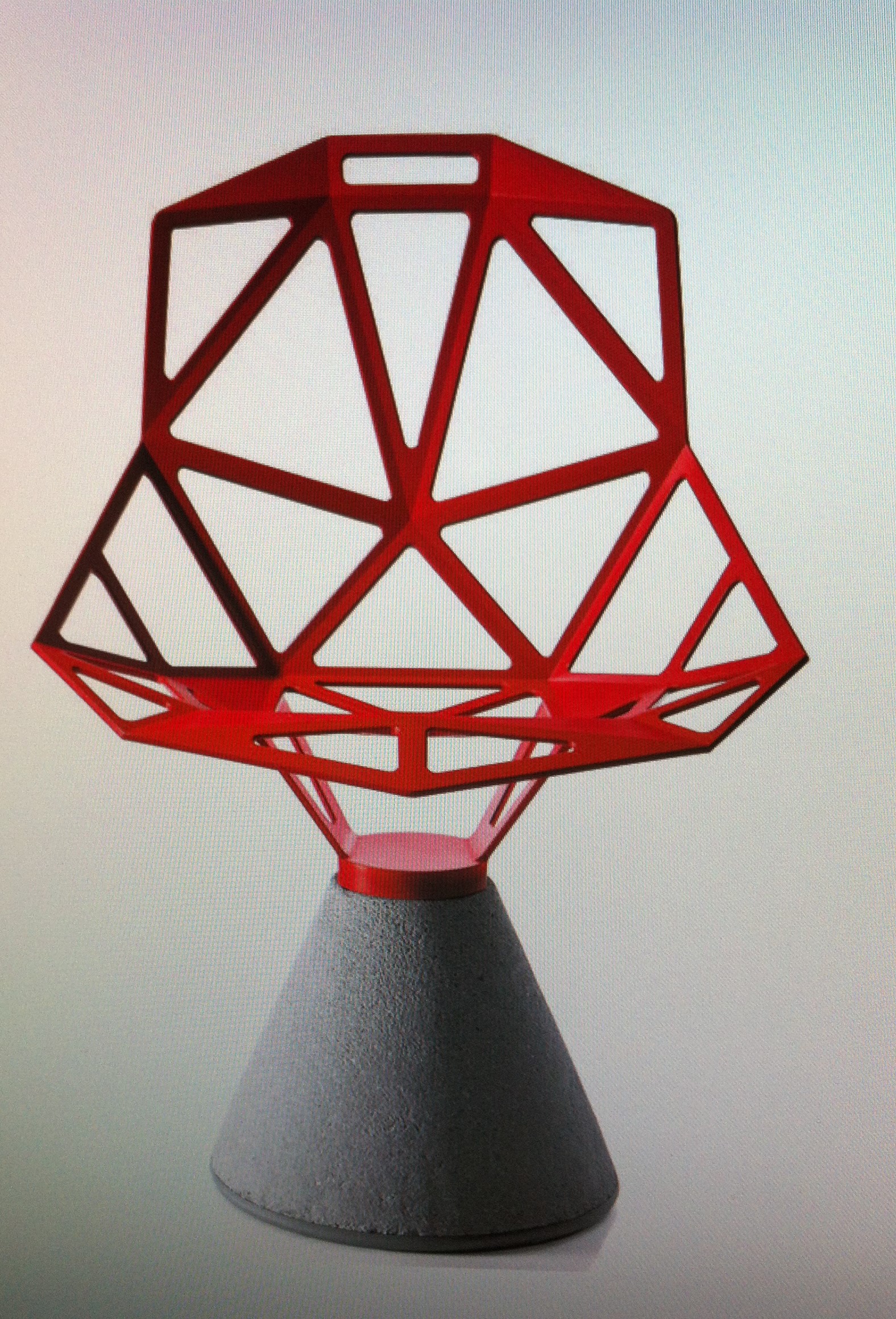
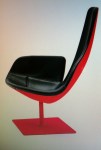
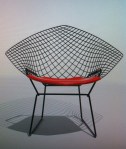
Elle. Fjord chair 200 by Patricia Urquiola for Moroso  Elle Diamond Chair Harry Bertoia  for Knoll International 1952Elle. Chair One by Konstantin Grcic 2003 for Magis

A design exhibition that is also an experience. We are talking about 100% Original Design, the exhibition conceived and staged by Elle Decor Italy, within the D space of the MAXXI in Rome, which is free, and on for a few more weeks.

100% ORIGINAL DESIGN is integral to Be Original, the project in defense of high design, conceived and promoted in 2012 by Elle Decor Italy. An awareness campaign on the fight against counterfeiting of industrial design in Italy and in the world, in collaboration with authorities, institutions, and insiders, but also those directly involved, designers and publishers.

The Rome installation is the second leg of the exhibition, following it’s Milan success, in April 2014, where the show debuted in the rooms of the Royal Palace.

The Maxxi’s D space is a warehouse style loft space, which makes you feel that you are walking around a Manhattan penthouse. Except that you are at an exhibiton, in a maze of design masterpeices.

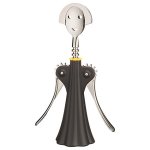
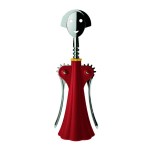
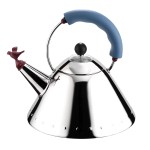
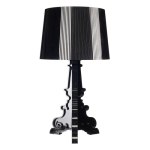
The exhibition is exciting, with many well known designs, like the corkscrew by Alessi, Flos, Miss Sissi and modular Kartell, objects and furniture that still inhabit our homes, and that have made design history. There is also the Eames Plastic Chair by Vitra, the Tulip Table by Eero Saarinen for Knoll International or the Egg chair by Fritz Hansen and Arne Jacobsen.

Chairs, lamps, containers, utensils of daily use like the food mixer, by Kitchen Aid, but also switches such as BTicino and Olivari handles, entertain the visitor through the exhibition path. Multimedia audio and video installations play in the background, with Madonna, Wham, and the Beatles, to interpret the concept of uniqueness and originality, too. The music adds to the nostalgic beat of the exhibition.

Elle Decor has selected 8 companies in total, to represent authentic Italian design, B&B Italia, Alessi, Cassina, Flaminia, Flos, Kartell, Knoll and Vitra. And, anything that promotes originality is a good thing. The wide selection of iconic pieces have marked the history of Italian and international design from the 50s to today. There are over seventy pieces to discover, or rediscover.

100% ORIGINAL DESIGN

Curated by Elle Decor

Patronised by the Ministry of Economic Development, the Municipality of Rome Capital, the City of Milan Expo 2015

D space, MAXXI, Rome
Via Guido Reni, 4A
+39 06 320 1954
http://www.fondazionemaxxi.it

Let’s take a look at the designs highlighted in the exhibition

Posted in DESIGN, FASHION, ITALY, ROME | Leave a comment

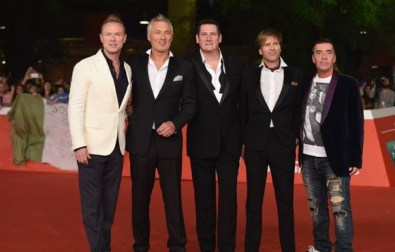
Soul Boys ‘Spandau Ballet’ on Rome’s red carpet @ Rome Film Festival 2014

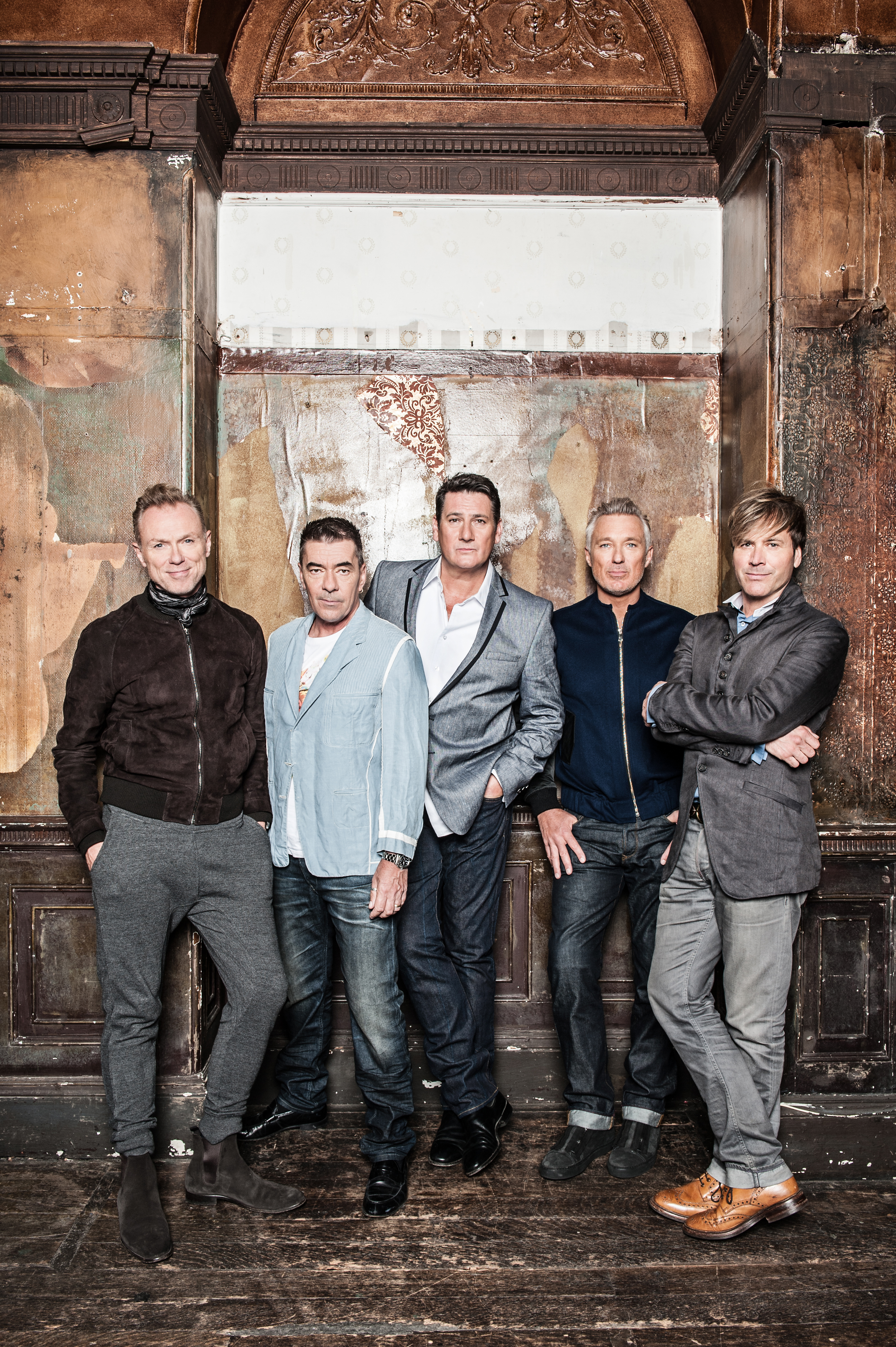
spandau_ballet_roma

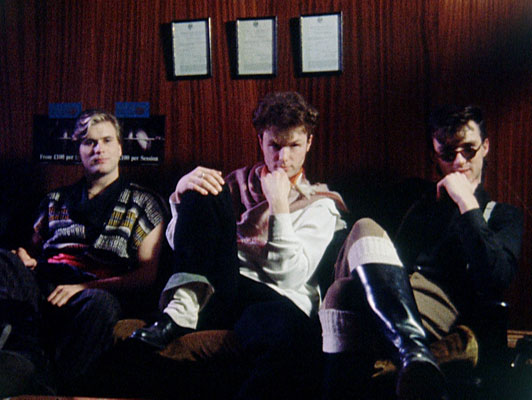
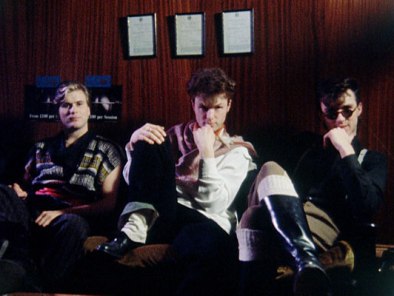
soul-boys bbc nationwide

Music and moda: British band Spandau Ballet discuss their 80’s documentary Soul Boys of The Western World.

Nicola meets the British band @ the 9th edition of the Rome Film Festival to discuss the positive reception of their new 80’s documentary “Soul Boys of The Western World” and their 2015 tour in Italy. They received an overwhelming emotional response and standing ovation during Rome’s screening.  After all, the power of  lead singer Tony Hadley’s voice has always struck a chord with the Italians. In 2011, he even featured in “Goodbye Malinconia”, a song by Italian rapper Caparezza. 

Spandau Ballet, were the Soul Boys who were listening to ‘Marvin, all night long’, and a welcome post punk era distraction to dance to, whilst Brixton burned. It was on the club scene at places like Blitz, and the Beetroot club, London, where a new wave, new romantic trend, was evolving, influencing designers like Vivienne Westwood and her 1981 Pirate Collection. Spandau Ballet, regulars on the club scene, were wearing frilly shirts and sashes with swashbuckling style, fitting the mood of the moment. Their dashing looks, great ballads and theatrical appearance was sure to keep them noticed, and did. They even managed to knock David Bowie off the No. 1 spot, and outsell the Michael Jackson Thriller album. But by 1989 the band had split, in an acrimonious dispute that was to last a 20 year separation.

Almost 35 years later, the boys are back to dominate arenas again, with their ‘Soul Boys of the Western World’ tour, following the success of their 2009 comeback tour, for which the tickets sold out in twenty minutes. Back together, Soul Boys Of The Western World, is an 80’s trip down memory lane, which celebrates and investigates the band’s story in a warts and all style documentary, directed by George Hencken, and produced by Julien Temple.

The documentary is an insight into the mergence of  music and fashion in London, The Punks, Glam, The Mods, the New Romantic scene, with archive footage documenting the bands story, of the how the band formed, and of friendships lost and reformed along the way. With interviews from the band members, as well as home video clips, it shows the trials and tribulations of being in the music business, the fame and the fun.

Nicola caught up with the boys in Rome to hear their latest news and discuss the emotional response in Italy, to Soul Boys of the Western World.

Do you still feel the same buzz now, reforming and touring, as you did with your initial success. Does it all come flooding back and can you all just slip back into Spandau Ballet mode naturally?

Steve: That’s what happens when we’re together. All the old jokes come out.

Gary: The music just clicks back in, it’s a common language that we have. You can see in the documentary theres a scene with us back together for the first time. I think we’re more relaxed with it now, we are more in control of what we are doing. Whereas before, you are only as important as your last hit, when you are at the forefront of pop music and now we have our legacy to be proud of that, and we have the weight of the film to prove it.

Tony: We all have our own individual style that we bring to the group. Whatever we play, whatever we do, it just sounds like Spandau, whatever kind of song it is.It’s got a sound, an identity.

Tony, you mentioned, that times are different now with social media and You Tube, the way of marketing was different back then. John, you mentioned that with Apps like Garage Band apps, anyone can say ‘i’m in a band’ nowadays, but then work out how hard it is. Do you think that the discipline and hard work that bands had to go through back then, as supposed to the manufacturing of bands today, and social media world of now, made your bond stronger as a group?

John: I think we’ve all had a collective responsibility, our work ethic has always been high on the list. I think it’s that responsibility between us that we don’t want to let anyone down. We wanted to earn it, the drive was there. The sense of being famous for being famous, and wanting to smash cars before you put in the work, didn’t exist for us, which has proliferated over the last 20 years.

Gary: We all have very similar family backgrounds, our dads were all hard workers, we are all from working class families.

Tony: It’s still today for bands, you still have to work hard. It’s still the same, it’s the way of advertising it is a bit different.

Gary: There’s not the same sense of ‘movements’ or tribes, like there were when we were coming through the 70’s. It was much more tirbal, there was glam, there was punk, and then there was us with the New Romantics. There are bands now, but there is not the same sense of youth culture crossover.

This time round you are a lot wiser, has the time lost strengthened the bond between you?

Steve: Although the band fell out we were always together in spirit.

Tony: Well there isn’t an alternative, who knows what we might have produced as a band.

Gary: I remember that moment when we got back together, 5 years as a band, there was such a feeling of relief. There more generosity now between us, musically and in every way. Giving each other more room. We are all different people. I’ve had 4 kids now, so my whole is different. The way I see life is different.

Martin: We came as experienced adults, we had experienced life to the full, for good or bad, and now we bring our experiences to the table.

As a band you have proved things can be overcome, wounds being healed and together you have more to offer as musicians. Were your kids any influence in the decision making to go back on tour? are any of them musically minded?

Tony: Finlay, Gary’s eldest son, and Mackenzie, my youngest son, are good, good mates, and would have a drink together and think ‘what is it between our dads’. Gary and I weren’t even talking back then.

Gary: They were trying to get us together. I think my son felt a bit sorry for me, as if Dad’s hobby is finished. But when we got back together and played big arenas. They were gobsmacked.

John: It’s one thing seeing the archive footage from the 80’s, but then when the lights went down at the O2 arena, that was an amazing moment for the children.

Gary: It’s tough for our children. My dad was a printer, taxi driver, terrazzo polisher. Whereas, our children have musicians as fathers.

Steve: My sons in a band, and Gary’s. My son is on Radio One. We’ll be on Radio Two. It’s great.

Gary: My son, Finlay has formed a musical duo with his girlfriend.

Will you be visiting the Pope for a blessing, and does he know you are here! Did you tell him you were coming. And on that note, are any of you superstitious, do you have any rituals when performing and touring?

Gary: Yes, we all look each other in the eye. I think for me, it’s double checking the sound check, and tech stuff. Its not nerves about messing up musically, I never worry about that,but the biggest fear before going on stage, would be if there was a technical failure, or an amp blowing. You’ve got hope for the best and that you have a great audience too.

John: Before you go on stage, there are certain rituals, yes. It puts all in our mindset, so that no matter where we are on Planet Earth, no matter where you’ve slept, or what you have eaten, that one hour before the gig, we have our own way of getting in the mode. It’s like a football team. Some of us are running around, some are calm. Tony will be in his underpants as usual, ten minutes before the gig, having a shower.

Martin: Its the funniest thing, before you go on stage, you can’t remember how to play anything, but then once you get on, it’s all there.

John: When I think that I have to sit on that drum stool and hit the drum sticks several thousand times for the next two hours, at various intervals, you think right! How do I do this? But then you count to 3, and you don’t think about it anymore, you do it.

All together: Vodka and Red Bull.

Martin Kemp: We will drink one of those and shake hands and wish each other luck.

Is beginning a tour hard on the stamina 20 years later, are you taking it all in your stride or is it a bit scary?

Gary:I think we had more to do in those days. We played harder. We stayed up harder. There’s a scene in Soul Boys, where we are doing Live Aid, we look so tired.

Tony:Physical demands of playing are still the same, 20 years later.

Was putting the documentary together left to the discretion of the Director, re choices of cuts from previous footage, or were you all actively involved every step of the way in making the film, with a view to how you wanted it to be perceived?

George chose the footage and put the documentary together. It was a bit of a treasure hunt, or like being a detective,before the days of online videos, trying to find the clips.

Martin, you’ve consistently worked in film and television as an award winning actor for many years. Is your musical side, as important to you as your acting side, and or is performing musically what you really prefer, since that’s where it all began?

Martin: No, music is where it all began for me, so this is what I love doing.

John, you said you didn’t like the way things originally ended with the band, that you wanted a better ending, so what do you plan, hope, now wish for Spandau Ballet for the future? Will you continue to make music together after this tour?

John: Yeh, absolutely. We are loving it. the film marks the end of Spandau 1.0, and this is our time, and we are loving it. This isn’t the end, it’s only the beginning. Phase two next. We are defined by Spandau Ballet. We’ve got a bit of time to make up, for lost time.

Martin: It took us 20 years to get back together again, it would be nice and do our thing. It’s what we do.

You will be playing in 5 Italian cities in 2015, which are you most looking forward to playing in Italy?

Gary: Oh, we can’t possibly say.

John: We’ve played all over Italy, we love Italy. They are some of our craziest fans.

Tony: The audience reaction to our documentary Soul Boys, was emotional.

Gary:There’s an honesty, an emotion in Italy, that does not exist in the UK. I never really appreciated how much they love us in Italy. That year that we had Through The Barricades out, that outsold Born In the USA and Thriller, in this country. I think Tony’s voice had a lot to do with it. There’s a sensibility towards the vocal, that the Italians get, and the melodic songs.

John: They are much less guarded in Italy.

Tony: The whole family have embraced us in Italy, the grandmother, the teenagers, the children.

What is your favourite Roman monument or moment?

Tony: Sabatini’s in Trastevere

Gary: Def the two Sabatini brothers signing opera to us at the table, at Sabatini’s in Trastevere.

Martin: Rome is such a beautiful city. Its so amazing to drive around, and see the Roman Forums, way under your feet, there’s ancient Rome. It’s incredible, I love it here.

The boys note how beautiful it is that Italians are more expressive with their emotions, more than Brits. True! We wish them everlasting success!

http://www.spandauballetthemovie.com

http://www.spandauballet.com
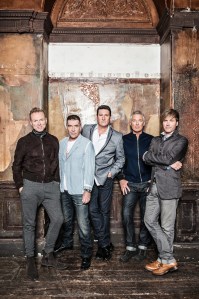
Spandau Ballet press session 2014

Italy 2015 Soul Boys of the Western World Tour Dates

24 marzo 2015 – MILANO, Mediolanum Forum
26 marzo 2015 – TORINO, Pala Alpitour
27 marzo 2015 – PADOVA, PalaFabris
28 marzo 2015 – FIRENZE, Mandela Forum
30 marzo 2015  – ROMA, PalaLottomatica

Their new album The Story – The Very Best Of Spandau Ballet is out now and no 8 in the UK charts.

Printed in Italy Magazine – November 2014

To read the article in Italy Magazine: http://www.italymagazine.com/featured-story/talking-british-band-spandau-ballet-rome

PDF Spandau Ballet Interview @ Soul Boys, Rome Film Festival Italy Magazine November 2014

Italian version:

Musica e Moda: gli Anni ‘80

“In Italia c’è un’onestà e un’emotività che è impossibile ritrovare fuori Italia”.

Gli Spandau Ballet parlano della reazione emotiva al loro documentario “Soul Boys Of The Western World”, in anteprima alla nona edizione del Rome Film Festival.

Nella Londra di inizio anni ‘80 gli Spandau Ballet erano i Soul Boys che ascoltavano Marvin Gaye tutta la notte, e in piena era post-punk, mentre il quartiere di Brixton veniva devastato dalle rivolte, una gradita e ballabile alternativa.

Fu nella scena dei club, in posti come il Biltz e il Beetroot Club, che la moda New Romantic nacque e si sviluppò, ispirando le creazioni di stilisti già affermati come Vivienne Westwood e la sua Pirate Collection del 1981.

Gli Spandau Ballet, re della ‘club scene’, indossavano camicie decorate e fasce dallo stile vistoso, perfettamente al passo coi tempi. Look raffinato, ballate eleganti e aspetto teatrale non poterono certamente farli passare inosservati. Si tolsero addirittura lo sfizio di spodestare David Bowie dal primo posto delle hit parade, e superarono Thriller di Michael Jackson nel numero di copie vendute. Ma nel 1989 la band si sciolse, squassata da un’acrimoniosa disputa legale destinata a tenere il gruppo separato per una ventina d’anni.

A quasi 35 anni dall’esordio i ragazzi sono tornati con l’intento di dominare le arene e gli stadi con il Soul Boys Of The Western World Tour, dopo il successo della reunion del 2009, quando i biglietti andarono esauriti in venti minuti.

Soul Boys Of The Western World, diretto da George Hencken e prodotto da Julien Temple, è un viaggio nella memoria che celebra e allo stesso tempo analizza la storia, i vizi e le virtù della band.
Il documentario esplora il rapporto tra la musica e la moda nella capitale inglese, la fusione di diverse sottoculture estetiche e musicali come il Punk, il Glam, i Mods e la New Wave, con immagini di archivio che documentano la storia della band dagli esordi alla reunion. Con interviste ad ogni componente e videoclip amatoriali, ci mostra le difficoltà di vivere nel music business, ma soprattutto il successo e il divertimento.

Nicola ha incontrato gli Spandau a Roma pere parlare della reazione emotiva del pubblico italiano a Soul Boys Of The Western World.


Ora che vi siete riformati e siete in tour, provate la stessa sensazione di eccitazione dei tempi dei vostri primi successi? E’ facile vestire nuovamente i panni degli Spandau Ballet dopo tanto tempo?

Steve: E’ ciò che succede quando siamo insieme. Ricominciamo a fare tutte le battute e gli scherzi di un tempo.

Gary: La musica torna a fluire, è un’alchimia, un linguaggio che condividiamo. Lo puoi vedere chiaramente nella scena in cui ci ritroviamo in studio per la prima volta dopo tanti anni. Credo che adesso viviamo quest’esperienza in modo più rilassato, e abbiamo totale controllo di ciò che stiamo facendo. Quando eravamo al top della scena pop internazionale, la nostra importanza veniva misurata in base al successo della nostra ultima hit, ora invece abbiamo questa eredità di cui andare fieri, e il peso di questo documentario a dimostrarlo.

Tony: Ognuno di noi ha il suo stile personale da aggiungere all’interno del gruppo. Qualsiasi cosa suoniamo, qualsiasi canzone suonerà inevitabilmente come gli Spandau Ballet. Ha quel tipo di suono e un’identità ben precisa.


Nel film accennate al ruolo che hanno avuto i social media come YouTube e Facebook nel ridefinire le strategie di marketing della musica pop, e di come, grazie ai software musicali come GarageBand, oggi tutti possono definirsi musicisti e avere una band. Credete che la disciplina e il duro lavoro che le band di una volta dovevano svolgere, in antitesi con il modo in cui vengono fabbricati gli artisti oggi grazie all’influenza dei social media, vi abbia aiutato ad essere più uniti come band?

John: Abbiamo dato sempre molta importanza alla nostra etica professionale, e abbiamo sempre condiviso un certo livello di responsabilità collettiva, cercando di soddisfare le nostre reciproche aspettative. Avevamo tutti la stessa voglia di farcela e la stessa grinta. L’idea di essere famosi per sé che è tanto in voga negli ultimi anni, voler distruggere automobili o andare ai party senza dover lavorare duramente, per noi non è mai esistita.

Gary: Abbiamo origini molto simili, i nostri padri erano tutti gran lavoratori, proveniamo da famiglie della classe operaia.

Tony: Ma oggi funziona ancora così per le band, devi ancora lavorare sodo. Ciò che è cambiato è l’aspetto del marketing.

Gary: Non c’è più il concetto di movimenti o tribù che esisteva quando abbiamo iniziato a metà anni ’70. Tutto era molto più tribale, c’era il Glam, il Punk, e c’eravamo noi New Romantic. Oggi ci sono molte band e artisti, ma non esiste la stessa idea di crossover di culture giovanili.

Oggi sembrate più saggi, credete che il tempo abbia fortificato il vostro legame?

Steve: Sì, anche quando il gruppo era sciolto, ci siamo sempre sentiti uniti spiritualmente.

Tony: In ogni caso non possiamo tornare indietro, chissà che musica avremmo prodotto se non ci fossimo sciolti.

Gary: Ricordo il momento in cui abbiamo deciso di riformarci, ormai sono passati cinque anni, c’era un grande sentimento di sollievo. Ora siamo tutti più generosi, musicalmente e umanamente, e ci lasciamo reciprocamente più spazio. Siamo inevitabilmente persone diverse, io per esempio ho quattro figli, il modo in cui vedo la vita è cambiato.

Martin: Ormai siamo adulti, abbiamo vissuto la vita al massimo, nel bene e nel male, ora vogliamo condividere la nostra esperienza con tutti.


Come band avete dimostrato che le difficoltà si possono superare, e ora avete molto da offrire come musicisti. I vostri figli hanno influenzato la decisione di riunirvi e suonare dal vivo? Qualcuno di loro è talentuoso musicalmente?

Tony: Finlay, il figlio maggiore di Gary, e Mackenzie, mio figlio più piccolo, sono molto amici, e a volte si sono incontrati per parlare di ‘cosa succede tra i nostri papà’. Ai tempi io e Gary nemmeno ci parlavamo.

Gary: Stavano cercando di farci tornare insieme. Credo che mio figlio fosse molto dispiaciuto per me, come per dire ‘papà non ha più il suo hobby’. Ma quando ci siamo riuniti e abbiamo ricominciato a suonare nelle arene erano sbalorditi.

John: Perché una cosa è guardare i vecchi filmati degli anni ’80, ma quando si sono spente le luci della O2 Arena è stato un momento incredibile per i nostri bambini.

Gary: Mio padre ha fatto il tipografo, il tassista e il lucidatore. I nostri figli invece hanno musicisti come padri.

Steve: Mio figlio suona in una band, e anche il figlio di Gary. Mio figlio sarà su BBC Radio One, noi invece su Radio Two. Tutto ciò è fantastico!

Gary: Mio figlio Finlay suona in un duo con la sua ragazza.


Farete visita al Papa per una benedizione, per caso ha saputo che siete a Roma?
Restando su questo tema, qualcuno di voi prega prima di un concerto? Seguite una routine prima di salire sul palco? Avete un rituale prima di esibirvi dal vivo?

Gary: Sì, ci guardiamo tutti negli occhi. Per quanto mi riguarda, controllo che tutto sia a posto a livello tecnico. Non ho paura di sbagliare le mie parti, ciò non mi preoccupa, ma la mia paura più grande prima di salire sul palco è che salti un amplificatore, o che ci sia qualche guasto tecnico. Devi sperare che tutto vada per il meglio e che ci sia un grande pubblico.

John: Sì, ci sono dei rituali prima di un concerto, ti mettono nel giusto stato d’animo. Nell’ora che lo precede abbiamo tutti il nostro modo di ‘entrare nel personaggio’. E’ come una squadra di calcio. Alcuni non possono restare fermi, altri sono più calmi. Come sempre Tony sarà sotto la doccia in mutande a 10 minuti dall’inizio del concerto!

Martin: E’ strano, prima di salire sul palco non riesci a ricordare quello che devi suonare, ma appena sei lì ti ritorna tutto in mente.

John: Quando penso che devo sedermi dietro la batteria e colpirla diverse centinaia di volte per più di due ore spesso mi chiedo come riuscirò a farlo. Ma appena batti il quattro con le bacchette non pensi più a niente, lo fai e basta.

Tutti: Vodka and Red Bull!

Martin: Ne beviamo uno, ci stringiamo le mani e ci auguriamo buona fortuna.


E’ fisicamente impegnativo essere in tour dopo vent’anni di assenza dalle scene? Ne siete intimoriti o riuscite a gestirvi senza troppi problemi?

Gary: Credo che ai tempi, oltre che a suonare, avessimo molto altro da fare. Suonavamo di più, dormivamo poco. Nel film si vedono le immagini della nostra esibizione al Live Aid, sembriamo così stanchi.

Tony: Lo sforzo fisico è sempre lo stesso, vent’anni dopo.

Siete stati coinvolti attivamente nella creazione di Soul Boys o avete lasciato fare tutto al regista? Vi siete preoccupati di aspetti come il montaggio o della scelta dei filmati d’epoca?

George ha scelto I filmati e ha messo insieme il documentario. Cercare i filmati girati prima dell’era dei video online è stato un po’ come fare una caccia al tesoro, o l’investigatore.

Martin, hai lavorato come attore per il cinema e la televisione per molti anni. E’ più importante il tuo lato musicale o quello legato alla recitazione?

Martin: Nella mia carriera tutto è iniziato con la musica, quindi suonare ed esibirmi è ciò che preferisco fare.


John, hai detto che non ti è piaciuto come ai tempi finirono gli Spandau Ballet, e che avresti preferito un finale migliore. Cosa ti auguri per la band, quali sono i vostri progetti futuri? Continuerete a fare musica insieme dopo il tour?

John: Sì, assolutamente, è quello che amiamo fare più di ogni altra cosa. Il film descrive la prima parte della vita della band, ma non è finita qui, è solo l’inizio della seconda parte. Gli Spandau Ballet ci hanno sempre definito come persone, ora dobbiamo recuperare il tempo perduto.


Vi esibirete in cinque città italiane nel 2015, qual è quella in cui non vedete l’ora di suonare?

Gary: Oh, questo non possiamo dirlo.

John: Abbiamo suonato ovunque in Italia, amiamo l’Italia. Qui ci sono alcuni dei nostri più scalmanati fans.

Tony: La reazione del pubblico al documentario è stata così emotiva.

Gary: In Italia c’è un’onestà e un’emotività che è impossibile ritrovare in Inghilterra. Non ho mai apprezzato abbastanza quanto siamo amati in Italia. E’ in Italia che il nostro Through The Barricades vendette più copie di Born In The USA e Thriller. Credo che la voce di Tony ha fatto la differenza qui. Gli italiani hanno una sensibilità spiccata nei riguardi della voce e della melodia.

John: La gente è meno diffidente in Italia.

Tony: Un’intera famiglia italiana ci ha abbracciato, la nonna, i ragazzi, i bambini.


Qual è il vostro monumento e il vostro momento romano preferito?

Tony: Il ristorante Sabatini a Trastevere.

Gary: Sicuramente i due fratelli Sabatini, proprietari del ristorante, che cantavano la lirica mentre eravamo a tavola.

Martin: Roma è una città magnifica. E’ fantastico girare in macchina e vedere i Fori davanti a te, avere la Roma Antica ai tuoi piedi.

Il potere della voce di Tony ha toccato le corde dell’emotività degli italiani, lo ha dimostrato la travolgente risposta e la standing ovation che il pubblico romano ha riservato agli Spandau Ballet alla fine della proiezione di Soul Boys Of The Western World al Rome Film Festival.
http://www.spandauballetthemovie.com/

http://www.spandauballet.com

Italia 2015 Soul Boys of the Western World Tour

24 marzo 2015 – MILANO, Mediolanum Forum
26 marzo 2015 – TORINO, Pala Alpitour
27 marzo 2015 – PADOVA, PalaFabris
28 marzo 2015 – FIRENZE, Mandela Forum
30 marzo 2015  – ROMA, PalaLottomatica

Il loro ultimo album, The Story – The Very Best Of Spandau Ballet, è appena uscito ed è al n. 8 delle classifiche inglesi.

Noi gli auguriamo un successo senza fine…
Posted in FASHION, INTERVIEWS, ITALY, ITALY MAGAZINE, LONDON, ROME | Leave a comment

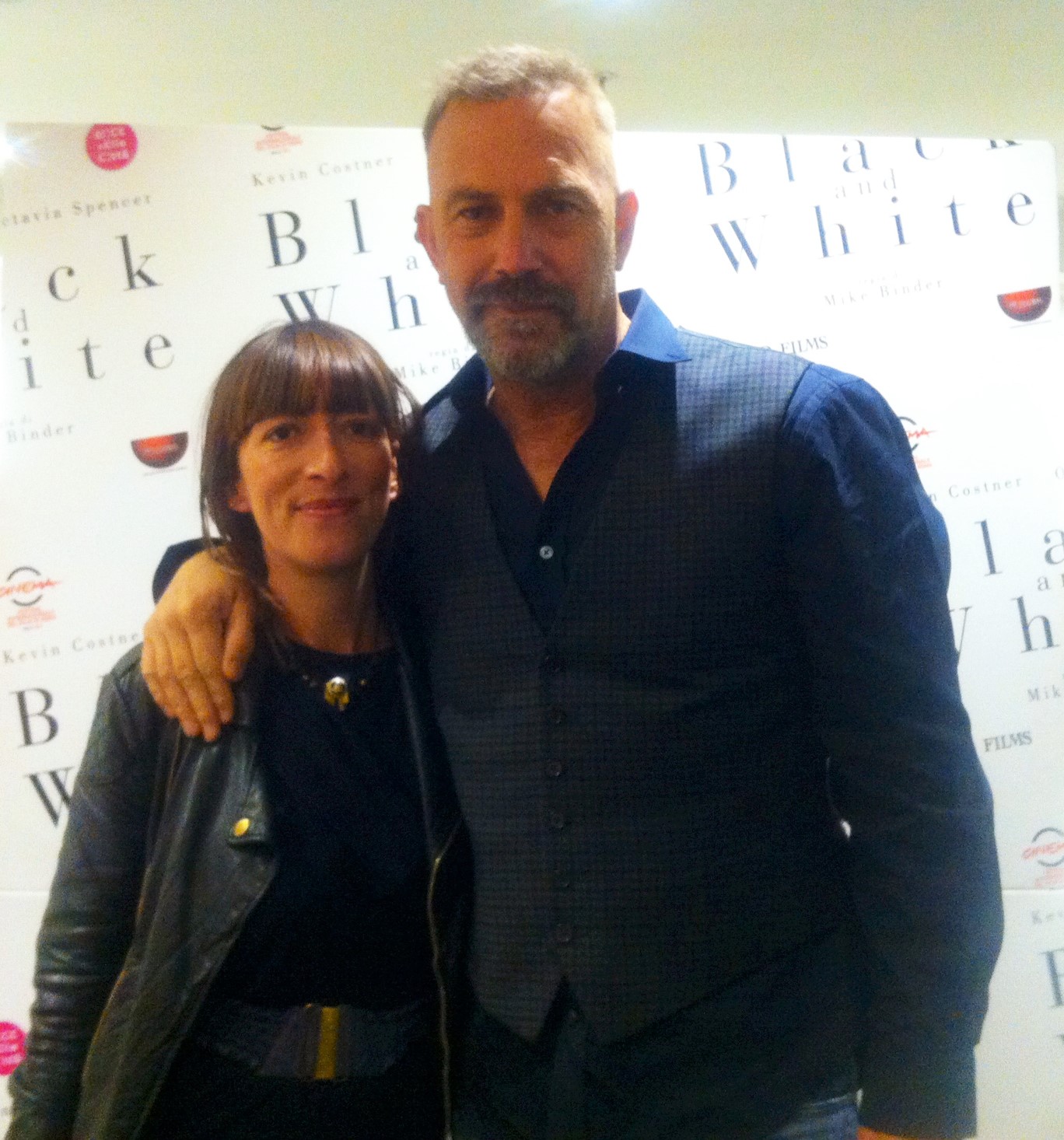
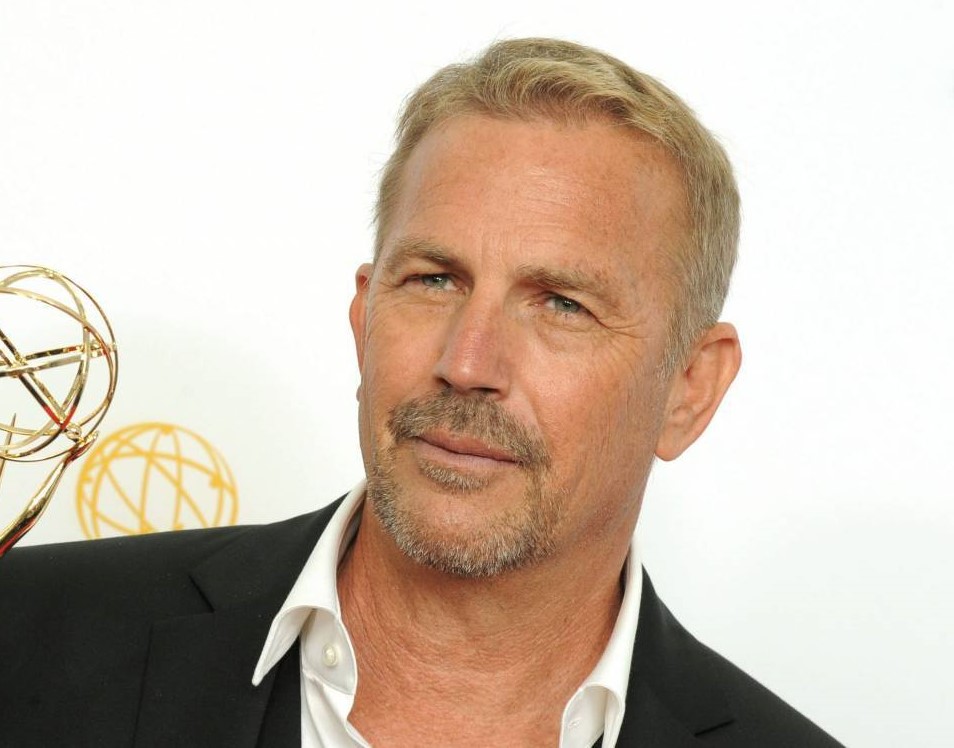
Kevin Costner Interview @ Rome Film Festival

Kevin (2)

filmmm   Kevin-Costner (2)


Kevin Costner Black and White

We meet in Piazza Barberini, Rome, to discuss his new movie Black and White, which screened the day before at the Rome Film Festival.

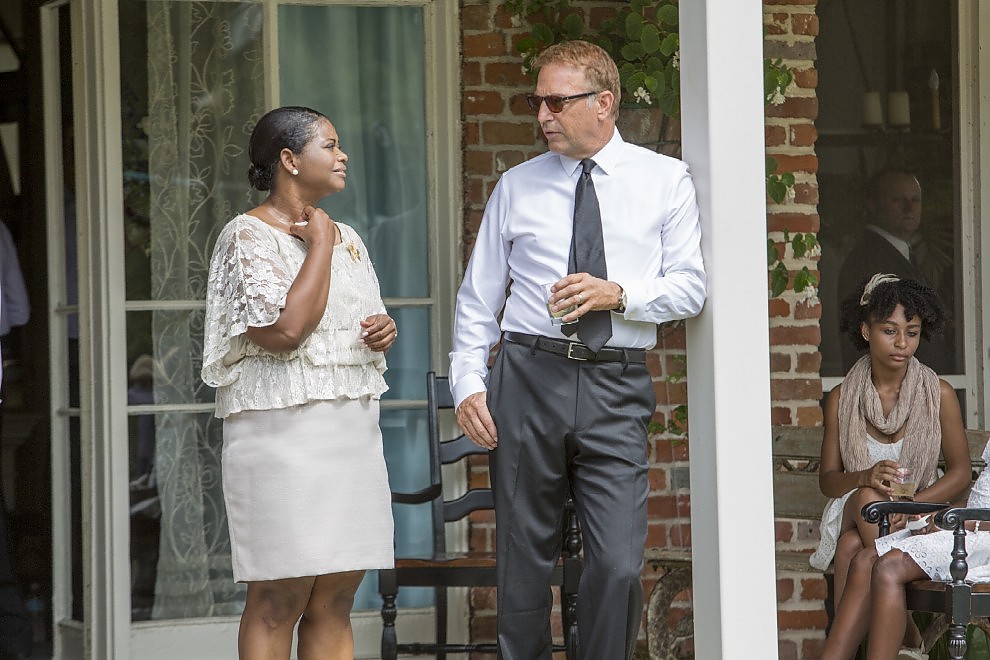
‘Black and White’ is a tale of parental responsibility, where a grandfather, and attorney, played by Costner, grieving the loss of his wife in a sudden car accident, becomes embroiled in a tug of love custody battle over his biracial granddaughter, whom he has raised since the child’s mother (his daughter), died in childbirth. Octavia Spencer co stars as the African-American grandmother, who thinks that the child should be raised by her biological father, a drug addict. This family drama is about protection, social culture and race, calling into question a sense of belonging, and what that really means.

One of the themes in Black and white, your new film, is about racism. Tell me a bit more about that.

It amazes me what a racist world we live in. We all, as a human instinct, judge and make our first impressions of people. If I see a drunk man stumbling in the street, my instinct would be to want to protect my wife. But then, I might not know that he’s on medication and that’s why he’s stumbling, that was my first instinct, impression, or judgement. But, then I am judging a book by it’s cover. That’s human. What I mean is, that it’s my 2nd, 3rd and 4th reactions that matter. That’s when you have time to make an informed choice.

blackwhite

Why did you choose this role?

I didn’t choose it, it chose me. It’s the same thing as a good book.
I heard the words and they spoke to me.

In this movie, the only thing in common that I have, with the viewer, is the first speech, in the movie. By which I mean, that when I read the script for the first time, I felt the same way the viewer feels when they watch the movie for the first time, and hear the speech that my character makes. My reaction to reading the script will be the same, or as spontaneous, as the viewers.

With this film, the producers didn’t want to make it. My wife and I funded it.
I don’t make money to watch it grow piles high. I use it to invest in movies, or to help a friend, or invest in technology.

Do you feel a social responsibility, being in a position of power, to choose roles based on their moral message?

I make movies for men. Most people assume I make movies for women. But, I make movies for men. I think about how a man would identify with my role, being as I identify with how a man would feel in a fight, or a certain scene. I feel an obligation to make movies with what men would relate to, in my character.

There are some movies that wouldn’t be made anymore, like Dances With Wolves, you have to be really driven to make movies like that.

But when choosing a script, the scripts have to match my Sensibilities.

I’ve got ten Italian minutes with the busy actor. I wonder what he thinks about Rome?

What are you favourite Roman monuments or moments?

The Colosseum. Our sporting arenas, are built by the best architects, but and then they rip them down 40 years later. Whereas that’s still there 2’000 years later.

I stare @ the Colosseum, like I stare at the Ocean. The whole story plays out in my mind. I imagine what it would have been like in the dark, with candle light. My wife has Italian blood, with family a few hours outside of Rome and I love it. The way the Roman streets bend. In the States, we have grid style streets. I love the way people eat in the sun, and walk through the historical centre with their children. Rome stands, it is in itself almost environmentalist, because it’s preserved itself, for future generations.I believe in fishes, trees and the animals. It’s about trying to leave things for other people. If people pollute the Tiber, that means that for future generations, and my grandchildren can’t enjoy sitting by the river and fishing, but Rome has maintained history.

Do you speak Italian?

I speak cowboy.

What are you doing to celebrate turning 60?

Things haven’t changed for me. I don’t want a big party. I don’t need the energy of a party. I would rather have 4 or 5 friends over for dinner.

What’s your next project?

I’m making a Western movie, that’s about 10 hours long.

So, that explains why he was contemplating his beard.

Don’t miss this film, it’s a must.

Published in Italy Magazine – November 2014

http://www.italymagazine.com/featured-story/talking-kevin-costner-rome

Posted in INTERVIEWS, ITALY, ITALY MAGAZINE, ROME | Leave a comment

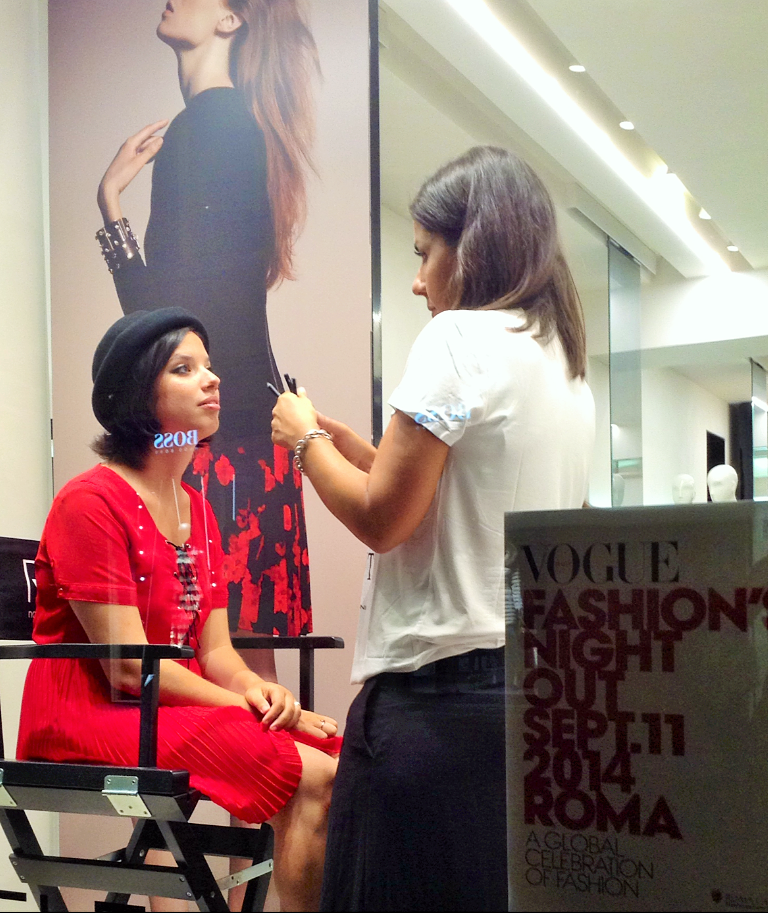
Vogue Fashion’s Night Out Rome 2014

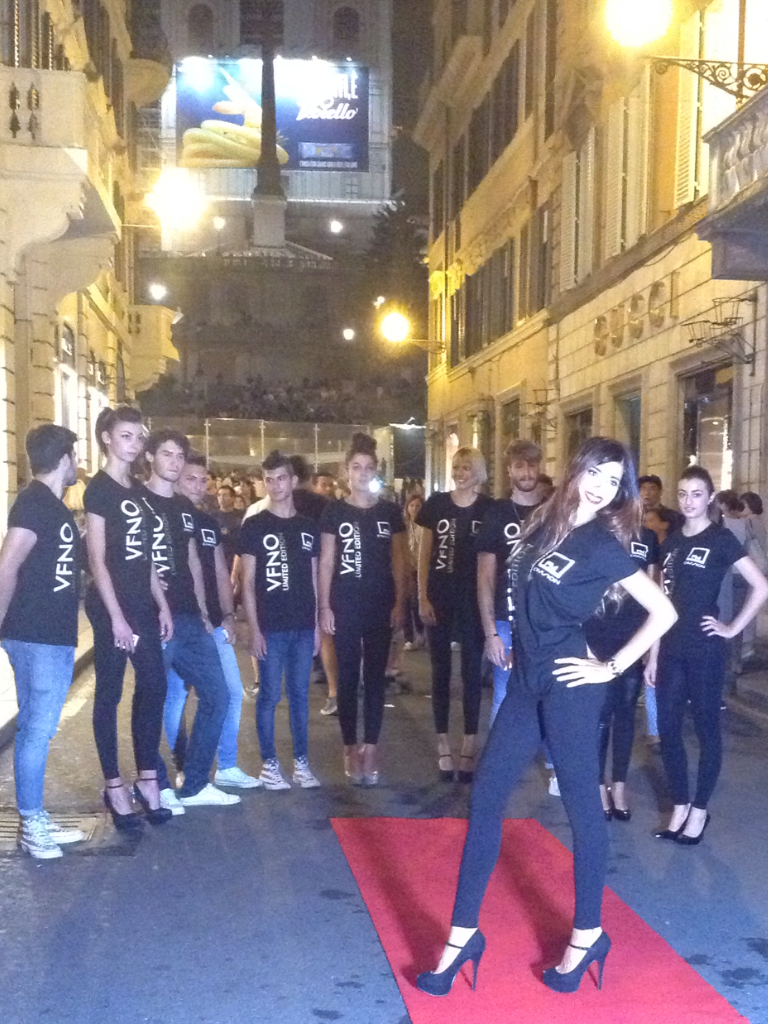
B VFNO-2014-roma-Vogue-Fashions-Night-Out-2014-roma

photo (16)

Moda & Morals

It’s that time of year, where the meeting of the best Italian brands come together for Fashion Week in the world’s four most glamorous cities, New York, Paris, London and Milan.

In Rome, it’s all about the exciting Vogue Fashion’s Night Out Rome, and the 2014 edition was both a celebration of fashion, and a celebration of women. Proceeds from the sales of special products will sustain the “Solidea” association, which, for a decade, has worked towards women’s protection and solidarity in Rome.

Make up artists, cocktails, catwalks and giveaways, music, limited edition Lavazza & Martini memorabilia, discounts and exhibitions were on the evenings menu of entertainment. The tempting Trident district Boutiques were busy and buzzing until midnight. Many donned real life ‘mannequins’, strutting whichever way they wanted. Moda mayhem at it’s best.

This exciting event, in association with the Commune di Roma and AltaRoma, and now in it’s 3rd year, gave everyone the chance to meet some of the most important designers and to purchase, among other things, the special limited edition items, VFNO t’shirts and Lavazza designed coffee tins, exclusive to the event.

“We are delighted to return to Rome for the third time, a city with a unique heritage and an old town that has always welcomed with warmth and enthusiasm initiatives of Italian Vogue and the fashion world. As always, a portion of proceeds from sales will be donated to a project for the city, in particular, this year we will support shelters for women subjected to violence and uncomfortable condition and their minor children”, said Vogue Italia’s Franca Sozzani.

photo (12)


What was on the menu of the evenings events @ 2014’s VFNO?

Made In Italy

A decade of the “Who Is On Next?” project was commemorated with a series of special exhibitions, organized by Alta Roma fashion, and in collaboration with Italian Vogue, to promote talented young creative designers who want to be part of Made in Italy.

Vogue Cover exhibition at the Rome L’oreal Academy

Celebrating the Loreal Academy’s 10 years of activity and 50 years of Kerastase Hair, a special styling event, inspired by five different covers of Vogue Italia, was where it was at, at Piazza Mignanelli.

Vogue Fashion’s Night Out at Castel Romano Designer Outlet

Didn’t manage to make it to the Spanish steps for the event? It doesn’t end here! The event continues throughout the month, throughout Rome and Milan. The renewed partnership between McArthurGlen and Italian Vogue means that there will be VFNO at Castel Romano Designer Outlet on September 12 to 13 , where there will be limited edition exclusive products created for VFNO, with music and entertainment, until 22.00.

Fashion 4 Development

Lavazza Kafa

The Italian coffee known around the world will once again be the protagonist for the third year in the edition 2014 Vogue Fashion’s Night Out this year with a new limited edition Lavazza Kafa, with this blend, Lavazza makes a journey in search of the best quality coffee in Ethiopia. Look out for limited edition canvas bags made in Ethiopia with local fibers and hand-printed with water-based natural colors.

Francesca Lavazza, the Corporate Image Director of the company, “Our third year in support of Fashion 4 Development emphasizes a coherent and targeted Lavazza is assumed as part of corporate social responsibility. We want to be alongside the African women, and contribute to the implementation of new development strategies for the most disadvantaged populations.”


Women

Women’s charities were an important focus of the event. See below for website details on where you can donate.

Museums

In honour of tonight’s special fashion occasion, many museums stayed open until 10pm and entrance fees were discounted.

Music

DJs and music from Dimensione Suono Roma
blasted at the Casina Valadier Roma Special Party with Arturo JKay Arturi ,
Nicola Teknick Perilli , Mauro Zavadava Mandolesi, Lorenzo Palma.
From 23.00

Where was it at?

Via Margutta, via del Babuino, via dei Condotti, via Frattina via Ripetta, Via del Corso, Via Borgogna, Piazza di Spagna @ 19.30 – 23.00

Oh, and by the way!

When you buy something with Visa at the VFNO you can request a 6 month membership to Vogue with your purchase, just to add to the temptation of the evenings events!

Moda with a moral

Not only are brands donating some of the sales proceeds to women’s charities, but also fashion designers have been busy donating millionsto restore Rome’s monuments, eg Fendi restoring the Fountain in Piazza di Spagna, and Tods restoring the Colloseum. Meaning, if you buy a bag, you are just helping Rome! Think about it.

Tweet #VFNO2014

http://www.vfno2014.vogue.it/

http://www.solideadonne.it/

Vogue Fashion Night Out Milan will be on the 16th of September 2014

Download the full programme here

Click to access agendaeventiadesionimilano-ita-2014-1.pdf

Posted in BEAUTY, DESIGN, FASHION, ITALY, ROME, Uncategorized | Leave a comment

Momenti Moda: Italian Glamour 1945-2014 at the Victoria and Albert Museum, London

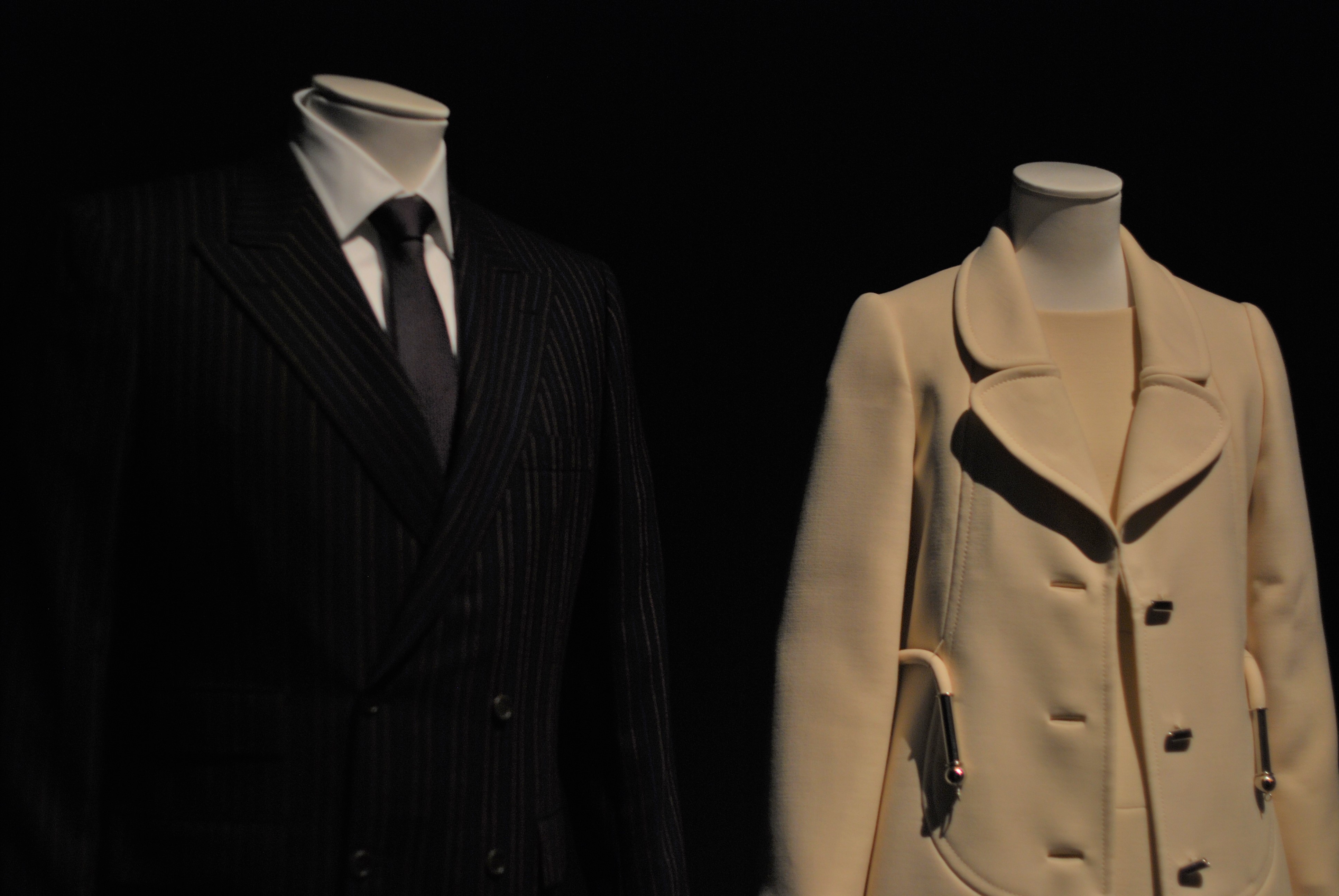
Alberto Fabiani 67 rosso blu suit lana   Image

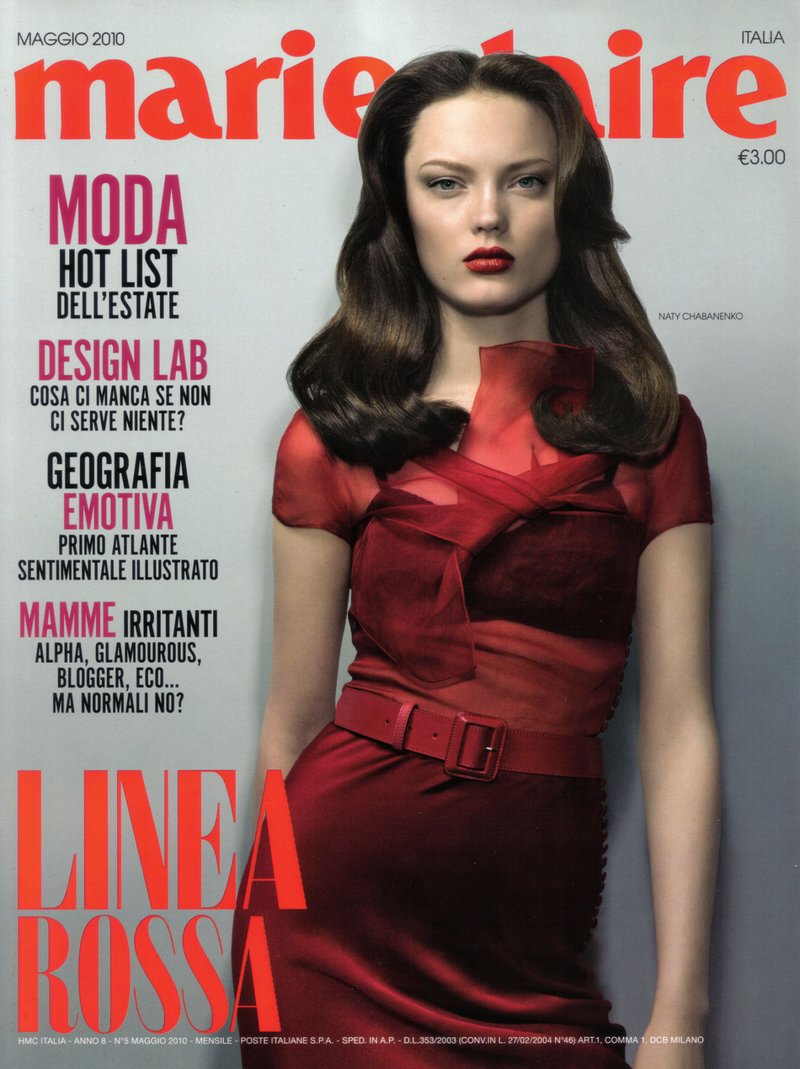
Marie Claire 3

“Italy is the best country in the world. We are inspirational to other nations. They want to dress the way Italians dress”, Missoni said proudly, one of the many designers being celebrated at London’s Victoria and Albert Museum’s exhibition ‘The Glamour of Italian Fashion 1945-2014’, the first major exhibition to examine Italy’s rich and influential contribution to fashion from the end of the Second World War to the present day.

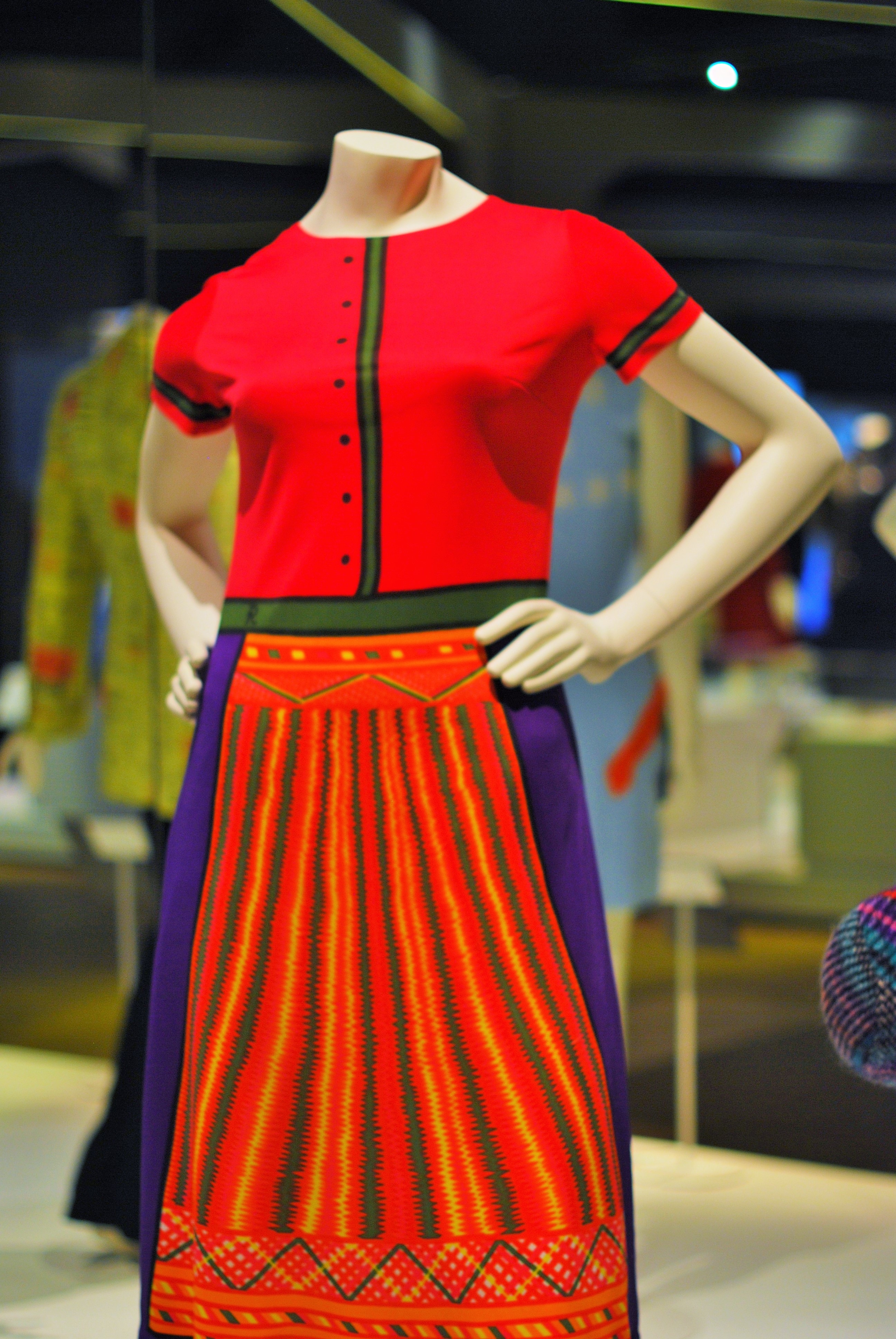
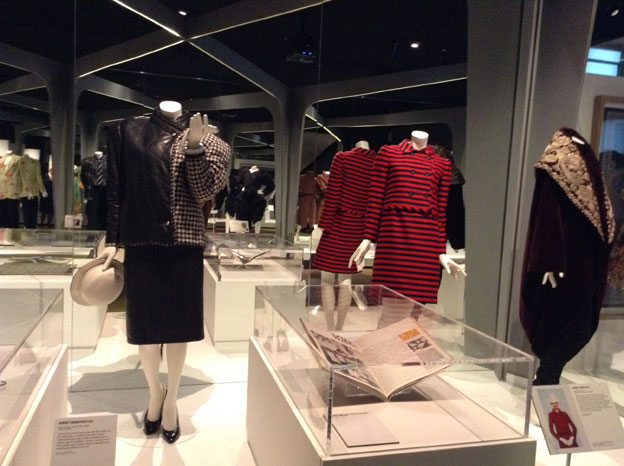
Italian design is displayed through 100 select ensembles, borrowed from 30 archives, including designers such as Gucci, Pucci, Valentino, Missoni, Dolce & Gabanna, Cavalli, Versace, Armani, Fendi, Moschino, and not to mention Prada, who began in 1913, one year before the first world war broke out.

The story of Italian fashion is explored through the key individuals and companies that have contributed to its reputation for quality and style in both women and menswear. The exhibition highlights the exceptional quality of techniques, materials and expertise for which Italy is famous around the world.

mostra  V and A

Post-war Fashion Renaissance

Italy has maintained glamour and dignity through hardship. In 1945, the post-war government worked to give a country weakened in spirit and in financial ruin a new beginning. Thanks to national public and private efforts, and to American aid provided through the Marshall Plan, Italian factories started to work again and many local entrepreneurs turned to ‘la moda’, developing the fashion and textile sectors that soon became a cornerstone of Italy’s post-war recovery. Many fashion manufacturing businesses started up in the ’50s and ’60s; most were family-run and, before you knew it, they evolved into international luxury brands.

After many years of wartime deprivation, there was a desperate hunger for glamour too. In 1951, Giovanni Battista Giorgini launched Italy’s first internationally acclaimed fashion shows, the ‘Sala Bianca’ or ‘White Hall’, a chandelier-lit gallery in Florence’s Pitti Palace, while Missoni put Milan Fashion Week on the map. These catwalk shows put Italian fashion onto the world stage and led to Italian high fashion and fine tailoring popular exports.

From the early 1970s, the popularity of Italian couture had already grown significantly and Milan, with its clothing and textile factories, its fashion press and advertising media industry, had become the undisputed Italian fashion capital.

This slideshow requires JavaScript.

sfilata

Made In Italy

The ‘Made in Italy’ marketing campaign started in those early post-war decades and celebrated a multitude of premium goods: glamour, art, food, tourism, design and fashion. This decades-long promotional campaign ensured that ‘Made in Italy’ became world renowned for its elegance, helped by the fact that during the 1950s and ’60s, many Hollywood films were shot in Italy. Moreover, Hollywood stars like Audrey Hepburn and Elizabeth Taylor, draped in Bulgari diamonds, became the best style ambassadors for Italian fashion, starting a general appetite for luxurious clothing made in Italy.

The materials and expertise for which Italy has become renowned is a special focus of the V&A exhibit. A well-tailored suit requires precisely cut fabric and exact fit: a Neapolitan suit could be distinguished from one made in Rome. The smallest design elements, such as the shape of a pocket or sleeve, often differed from region to region. There is an interesting map at the exhibition showing the different skills throughout Italy’s regions and districts.

MC 2

The 1990s fashion star system

Since the mid-1990s, fashion has become ever more glamorous and international. Over the years, the rise of the ‘cult of the designer’ meant that designers like Versace, Armani and Dolce & Gabbana have all become celebrities in their own right. Armani has recently made Bloomberg’s ranking of the world’s richest people, as the the fifth Italian wealthiest man. The exhibition explores even these most recent developments in the Italian fashion business.

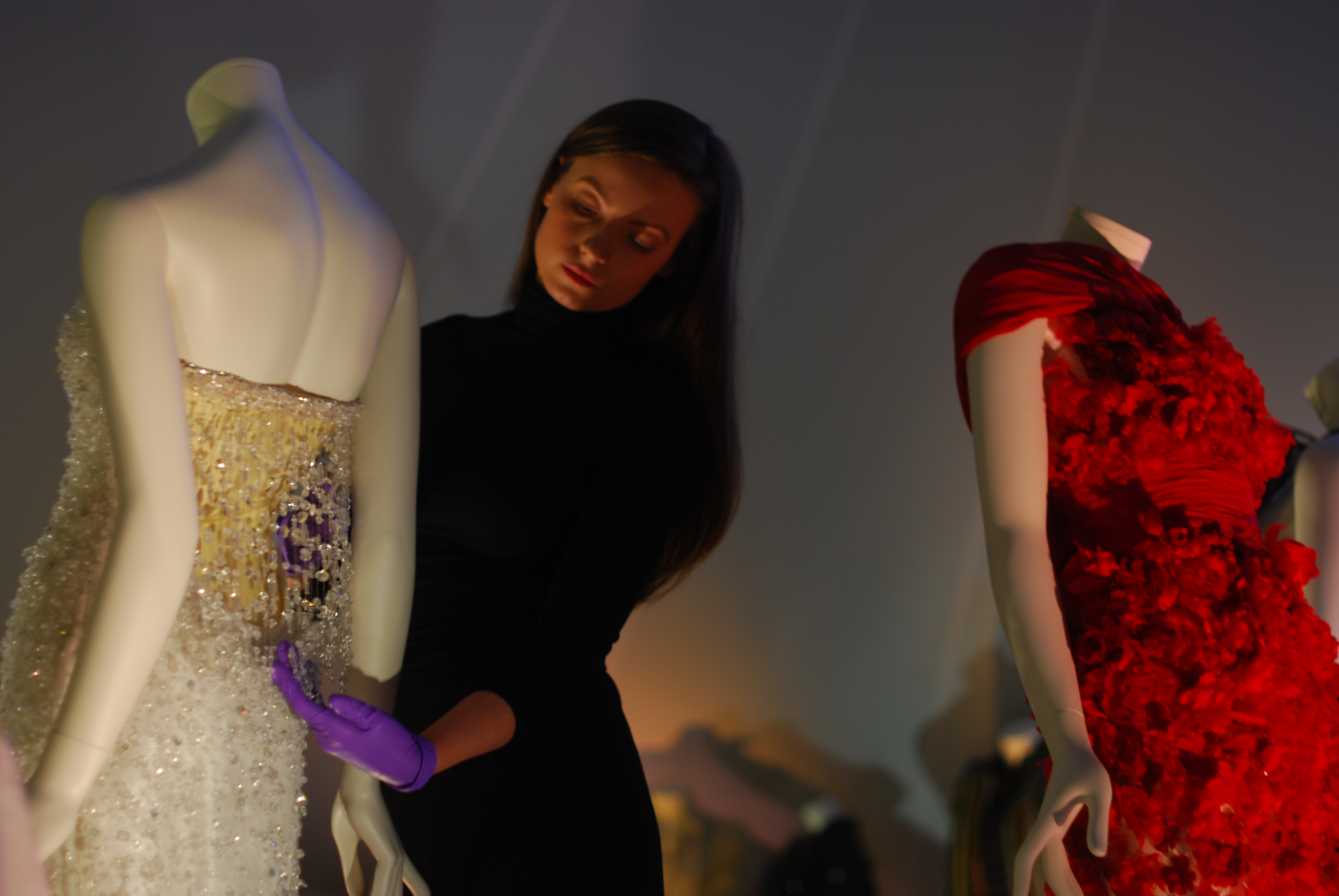
mostra mannequin

Italian optimism with creative thinking is what made Italian fashion what it is. With today’s monetary climate at the back of our minds, this exhibition will bring a much needed worldwide morale boost.

Words and Photos by Nicola Ferlei-Brown

italian_fashion_header_1b

The exhibition ‘The Glamour of Italian Fashion 1945-2014’ runs until 27 July 2014 and is sponsored by Bulgari, the emblem of Italian glamour.

Published in Italy Magazine June 2104

http://www.italymagazine.com/featured-story/momenti-di-moda-italiana-london-glamour-italian-fashion-1945-2014

Read the interview with Missoni at the exhibition, for Marie Claire: https://nicolaferleibrown.wordpress.com/2014/05/24/meeting-missoni-4-marie-claire-design-dna-three-woman-design-an-empire/ or Italian version: http://www.marieclaire.it/Moda/Intervista-ad-Angela-Missoni

Posted in BEAUTY, DESIGN, FASHION, ITALY, ITALY MAGAZINE, LONDON, ROME | 2 Comments

Meeting Missoni 4 Marie Claire:Design DNA Three woman design an empire

photo (85)     photo (18)

photo (3)

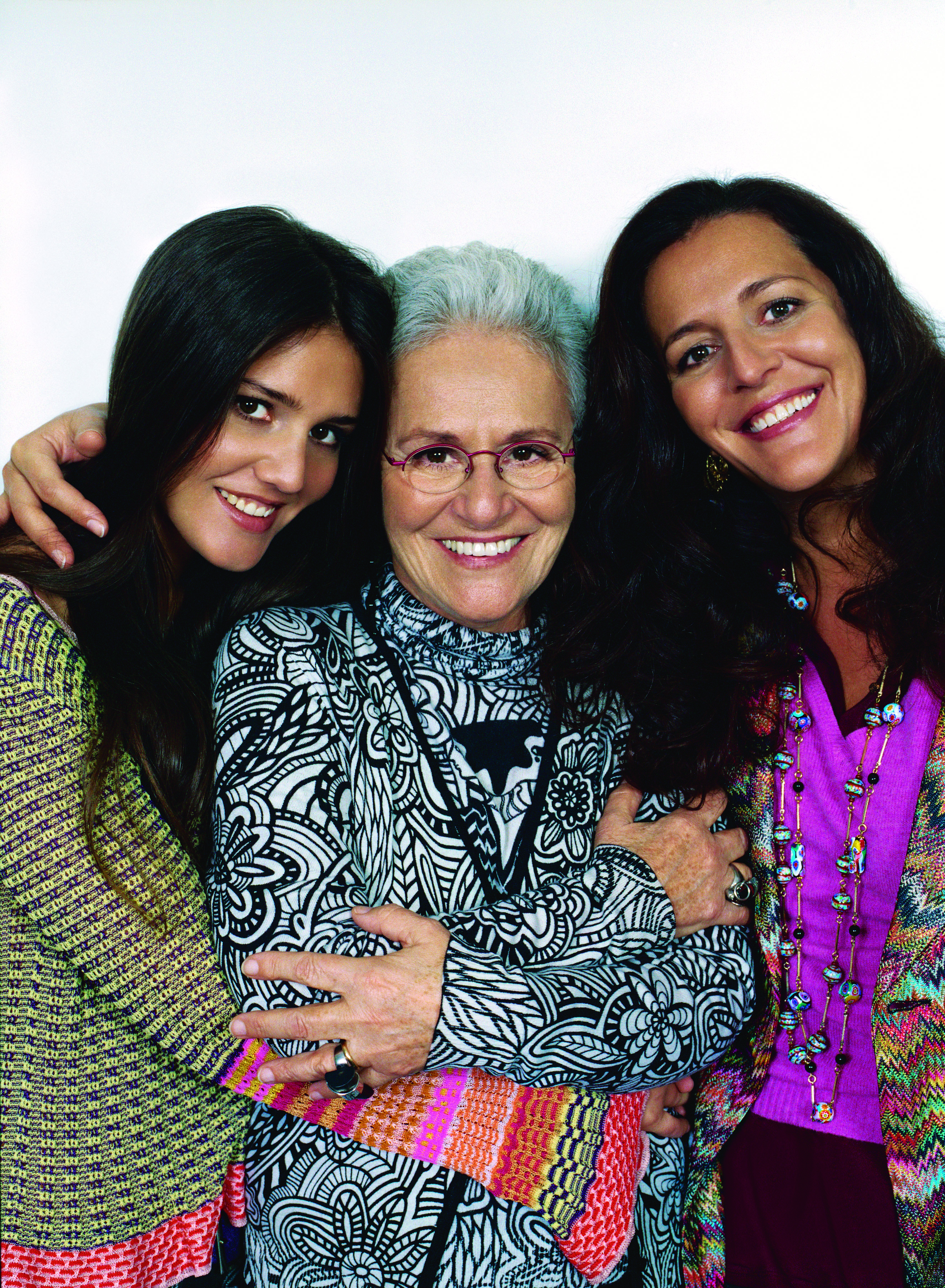
Angela Missoni, talks Design DNA and creating your own destiny

«My mum has the the passion for fashion. The example of watching my mother designing is where I took my inspiration»says Angela Missoni, second of the three generations of female designers who run the Missoni brand, a family empire known for their iconic kaleidoscope knitwear.

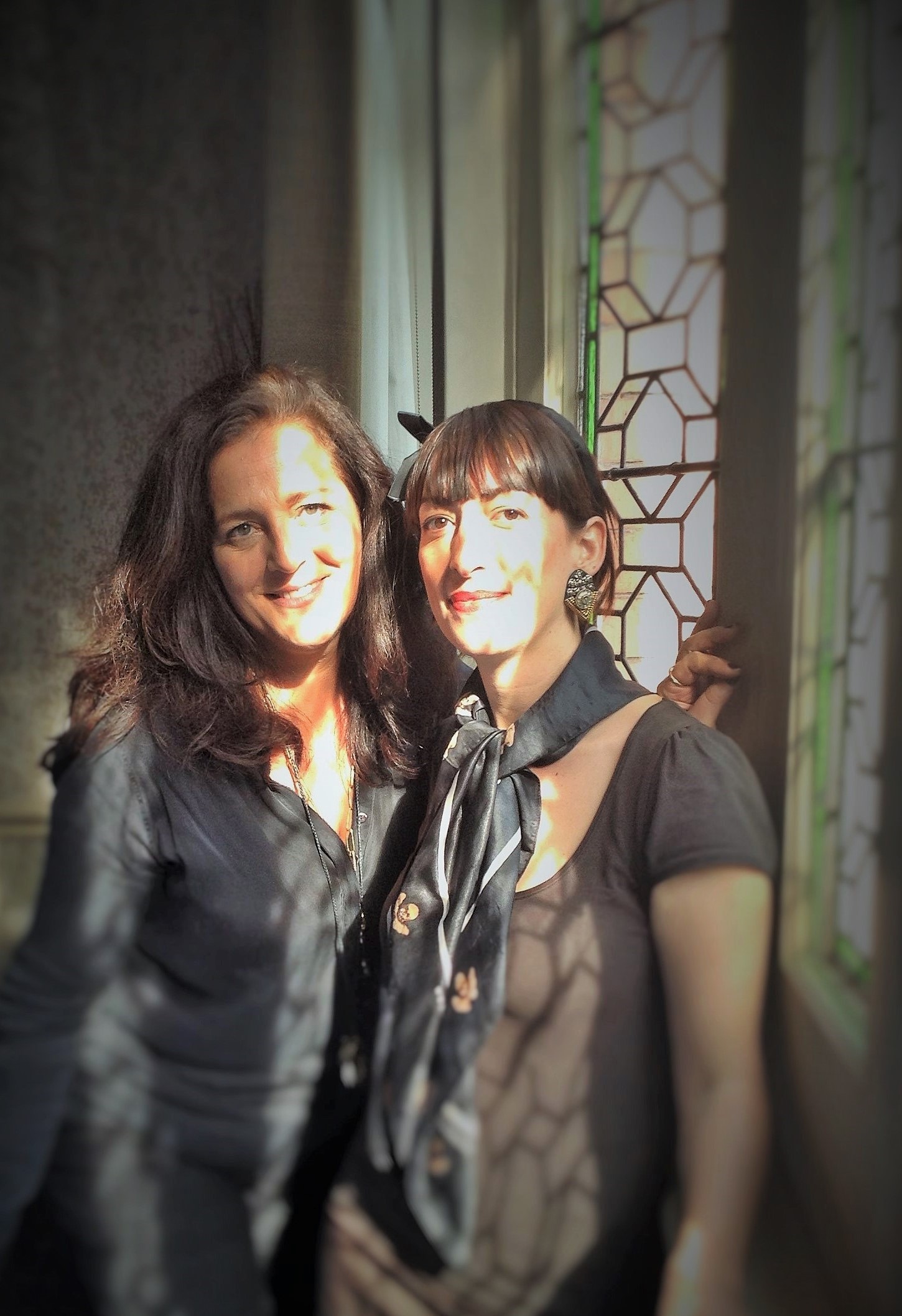
We meet for tea to discuss Missoni for a moment, by the Victoria and Albert Museum, in London, where she is exhibiting her designs for the latest ‘Italian Glamour’ exhibition.

Within minutes of meeting, she is transfixed by a beautiful green medieval stained glass window, which means that she’s answered my first question, without me even opening my mouth. «I’m inspired by everything, everywhere. Depending on your mood, depends on what you see, your eyes see different things in that moment». A Missoni moment.

Three women, three generations, do you believe in the designer gene being in the DNA?

Fashion genes goes more through the women’s than the men’s. My two daughters have inherited that passion, as I did from my mother. There is a sensibility that comes through the genes. The work you can learn, but the passion you can’t.

A well known journalist once saw my collection and after a show, said wow the talent has not passed down through the generations, but when he saw my third show he admitted to making a mistake about that and said that anyone wanting to work with colour, should look at what Angela Missoni did for Missoni.

What has been Missoni’s proudest moment as a fashion house?

There have been many over 60 years. My parents (Rosita and Ottavios’) first windows of Rinascimento in 1958 and when they had their first covers in France in 66, and in Italy in 64 are memorable moments. In the 70s, after a Sala Bianca show, in Florence, at the Palazzo Pitti, my mother said to my dad “We made it.” My father then decided not to show anymore in Florence, and then he started the Milano Fashion Week. The NY Times wrote “Missoni is already a good reason to go to Milan.”

I have been doing this for 18 years, so for me, my proudest moment was when I did the campaign with Mario Testino. When I worked with Mert and Marcus, and Giselle wore the Missoni bathing suit, meant that the Missoni bikini and the Missoni kaftan became iconic items in the wardrobe. The word Kaftan doesn’t exist inside the wardrobe, beside existing in the South East. The bathing suit collection is a big business for the brand today and I think that bathing suit made the zig-zag come back.

If Missoni were a time machine, and could go back to any decade and redesign their garments, who what era would it be?

Renaissance, because they were inventive and had a rebirth, a new energy. (Which is ‘fitting’, because Missoni dressing Michelangelo’s David in an all in one Missoni knit, for a campaign)

Are you more inspired by the city or the countryside, do you find that you are most productive designing from, your home in the woods?

The countryside gives you the calmness to elaborate things. A lot of designers would design and then travel after their collections to get more inspiration, whereas today in a technology driven world, we don’t have to do this.

Missoni is iconic. It’s colours and geometry are almost mosaic. Do you have any favourite artists that inspire your work eg Picassso or Gaudi?

Most of the modern painters, futuristic, Matisse being one of them, I love his use of colour.

I’m inspired by my travels. When I was in Columbia, I saw these women weaving multi coloured embroideries, without wool, but with vegetable fibres, making use of everything.

What’s your favourite item in your Missoni wardrobe?

A trench from 9 years ago. Sometimes I have to hide it in my wardrobe, if not from me, from mum mum, or we would wear it all the time. It’s a multi-coloured tweed with a movement of a zig-zag underneath. I am proud that Missoni makes garments that works for all ages, me, my mother, my daughter, my best friend. Whether you are in your 80s, or your 20s, you can be contemporary with colour, even if the neckline is diverse, maintain the look, but in a different way.

Do you believe in destiny?

When I divorced, I realised for the first time, I could direct my destiny. If you don’t decide, time will decide for you, but I believe you make your own destiny.

The Glamour of Italian Fashion in post-war Italy, is the theme of the Victoria and Albert Museum’s exhibition about ‘The Glamour of Italian Fashion 1945-2014’.

Missoni began in post war Italy. How do you think this time affected the designs?

The 50s after the war, was a time with a joy for life, a vibrant time. You had to really shrink your mind to think of a way to use different materials. If it wasn’t for the war we wouldn’t have the platform by Ferragamo and the cork soles he used, because he had nothing else to use. Or, what Chanel did during the war using those heavy men’s fabrics. Limits are good because they help you to invent.

What’s your favourite Missoni item mentioned in the exhibition?

It would have to be the 1973, coat with a cape, belt, checked, as worn by Faye Dunaway.

In the 70s, we started to gain recognition in the United States. Italy is the best country in the world. We are inspirational to other nations. They want to dress the way Italians dress.

Do you believe that a colourful dress has the ability to change ones mood, and uplift ones spirit?

Yes. Absolutely. When people work at Missoni, you notice their style gradually becomes more and more bold. To wear a red lipstick, or a bold colour, takes courage, and in return it gives you back more courage. Now we’re in a moment of colour.

Italy’s post war hunger didn’t deter Missoni from designing bold, optimistic prints and looking to the future. Where there is a will, there is a way.

Missoni’s garments are currently on display at the V&A Museum’s mostra ‘The Glamour of Italian Fashion 1945-2014’, a Londra, sponsored by Bulgari, with support from Nespresso.

Nicola Ferlei-Brown

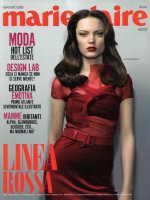
Published in Marie Claire Italia

Download PDF www-marieclaire-it Missoni Marie Claire Italia

new 2.tif

Photo ©Kim Andreolli

Missoni with Nicola Ferlei-Brown (2)

To read the interview with Missoni in Italian see below:

Passeggiando tra i capi esposti alla mostra The Glamour of Italian Fashion 1945-2014 al Victoria & Albert Museum di Londra abbiamo incontrato Angela Missoni. La stilista ci ha raccontato della sua genìa e del divenire artefici del proprio destino.

«Mia madre ha la passione per la moda. Vederla mentre crea è stata una grande fonte d’ispirazione» racconta mentre il suo sguardo viene catturato da una stupenda vetrata medievale di colore verde. «Sono ispirata da tutto, ovunque. Dipende dal tuo stato d’animo, da quello che vedi, i tuoi occhi vedono cose differenti in quel momento».

Tre donne, tre generazioni di stile. Il gene dello stilista è ereditario?

Il gene della moda si trasmette di più attraverso le donne che attraverso gli uomini. Le mie due figlie hanno ereditato questa passione, come me, da mia madre. C’è un tipo di sensibilità che si tramanda con i geni. Puoi imparare il mestiere, ma non la passione. Anni fa, un noto giornalista vide una delle mie collezioni e, dopo la sfilata, disse che, a suo avviso, il talento non era stato passato alla nuova generazione. Ma quando vide la mia terza sfilata dovette ricredersi ammettendo che, nell’uso dei colori, Angela Missoni stava contribuendo con nuova e originale ispirazione all’evoluzione del brand.

Qual’è stato il momento di maggiore orgoglio per Missoni?

In 60 anni ce ne sono stati tanti. Le prime vetrine dei miei genitori Rosita e Ottavio alla Rinascente di Milano nel ‘58, le prime copertine delle riviste italiane e francesi nel ‘64 e nel ‘66 sono momenti memorabili. Negli anni ’70, dopo una sfilata nella Sala Bianca di Palazzo Pitti a Firenze, mia madre disse a mio padre: “ce l’abbiamo fatta”. Da quel momento mio padre decise di non sfilare più a Firenze e istituì la Settimana della Moda di Milano. Poco dopo, il New York Times scriveva: “Missoni è una buona ragione per visitare Milano”.

Faccio questo lavoro da 18 anni, e per quanto mi riguarda, un motivo di orgoglio è stata la campagna pubblicitaria con Mario Testino. Quando lavorai con i famosi fotografi Mert and Marcus e la modella Giselle, il bikini e il caftano di Missoni divennero indumenti iconici. Il caftano, per esempio, si trovava solamente nei guardaroba mediorientali. Oggi l’abbigliamento da spiaggia è una parte importante del nostro brand, e credo che Missoni abbia contribuito a rilanciare le fantasie a zig-zag nei costumi da bagno.

Se potesse viaggiare indietro nel tempo e ridisegnare la moda del passato, quale epoca sceglierebbe?

Il Rinascimento, perché in quell’epoca l’uomo era creativo e stava rinascendo con una nuova energia (non a caso, per una pubblicità del 2010 Missoni ha vestito una riproduzione del David di Michelangelo con un multicolore tessuto a maglia ndr).

La ispirano di più paesaggi urbani o rurali? Si è più creativi disegnando a casa o immersi nella natura?

La campagna mi dona la calma necessaria per sviluppare le idee. Molti stilisti hanno bisogno di viaggiare tra una collezione e l’altra per trovare la giusta ispirazione, ma nel mondo tecnologico di oggi non è più necessario.

Missoni è un’icona, i suoi colori e le sue geometrie sono quasi dei mosaici. Quali sono i suoi artisti preferiti?

Mi interessano molto i pittori moderni, il Futurismo, e soprattutto Matisse. Amo il suo uso del colore. Quando sono stata in Colombia, ho visto queste donne che intrecciavano dei ricami multicolori senza la lana, ma con fibre vegetali, utilizzando qualsiasi materiale.

Tra i suoi qual è il capo d’abbigliamento Missoni che preferisce?

Un trench di 9 anni fa. A volte lo devo nascondere, perché sia io che mia madre lo indosseremmo sempre. E’ un tweed multicolore con un motivo a zig-zag in basso. Sono orgogliosa del fatto che Missoni riesca a creare vestiti per qualsiasi età, per me, per mia madre, per mia figlia o per i miei migliori amici. Non importa se sei negli anni ’20 o negli anni ’80, si può essere contemporanei con i colori anche se il taglio e la forma sono differenti.

Lei crede nel destino?

Quando ho divorziato, per la prima volta ho capito che ero padrona del mio destino. Se non decidi, il tempo deciderà per te, ma credo che ognuno è artefice del proprio destino.

Il glamour della moda italiana nell’Italia del Dopoguerra è il fil rouge della mostra in corso al Victoria and Albert Museum di Londra. Il brand Missoni nacque nel Dopoguerra. In che modo pensa che quel periodo storico abbia influenzato il suo stile?
Gli anni ’50 furono per il nostro Paese un periodo di grande vitalità e gioia di vivere. A causa della povertà e della mancanza di materiali, gli stilisti erano costretti a essere veramente creativi. Se non fosse stato per la guerra non avremmo avuto le scarpe di Ferragamo col plateau in sughero, semplicemente perché non c’era altro da utilizzare. Penso anche alle creazioni di Chanel dello stesso periodo, con quei tessuti maschili pesanti. A volte avere dei limiti aiuta a essere più ingegnosi.

Qual è il capo che l’ha colpita di più tra quelli esposti qui al V&A Museum?

Sicuramente il cappotto del 1973 a quadri con mantella e cintura, indossato da Faye Dunaway. Negli anni ’70 iniziammo ad essere conosciuti negli Stati Uniti.

Un vestito colorato ha il potere di cambiare l’umore delle persone?

Assolutamente sì. Quando la gente lavora da Missoni, puoi notare che il loro stile diventa gradualmente più audace. Truccarsi con un rossetto di color rosso fuoco o vestirsi con toni accesi richiede coraggio, e ciò infonde ancora più coraggio a chi lo fa. Ora siamo in un momento orientato al colore.

Posted in BEAUTY, DESIGN, FASHION, INTERVIEWS, ITALY, LONDON, MARIE CLAIRE ITALIA, ROME | 2 Comments

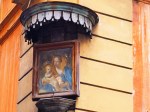
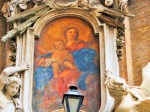
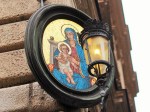
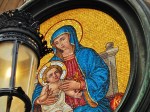
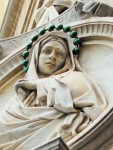
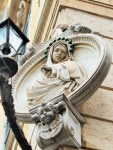
Madonna mia

Madonnelle devotions in Rome

‘Madonnelle stradarole’, miniature Madonnas, are a form of popular devotion in Rome.  Rome is breathtaking, but the added decorative bonus of mini devotions to the Virgin Mary, found on many street corners, are definitely the icing on the cake. A free en-plain-air museum of minor arts that you should not miss when visiting the capital. All you need to do is to lift your eyes and look for them at the corner of most streets in the city centre.

‘Madonnelle’ have been said to perform miracles, or at least, were a ‘a must design’, to celebrate miraculous events, which, in Rome, is more ‘everyday’ than once in a blue moon, meaning that Rome is blessed with a multitude of Madonnelle.

What materials are Madonnelle made of?

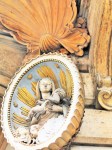
A little baldaquin (decorative canopy), mostly made with metal, gave the image some protection against rain. In the 16th century, the development of stucco techniques made the framing of the image affordable and more sophisticated stucco reliefs were painted in line with the Baroque tendency to mix painting with sculpture and architecture.

Both the wealthy and the poor made their mark on the map of Madonnelle. The materials used to make Madonnelle commisioned by the rich were very different from the materials used to make those commissioned by the poor. But more than being a devotional tool, the presence of the Madonnelle serves a moral purpose, because their location meant that Romans, Catholic or not, always felt like the Virgin Mary was watching over them.

Miraculous Madonnella

The most common miracles performed by Madonnelle included weeping, bleeding, movements of the eyes.

One of the earliest ever recorded miracles took place in 1577. The Madonna of the Lantern, at the base of a church on the Tiber Island, managed to remain lit during a flood, and even continued to burn underwater.

Three hundred years of bad weather, the Madonnelle are a little bit worse for wear. But, three hundred years ago, walking home after a long day at work, through Rome’s dirty streets, an oil-lamp illuminating a glowing Madonna would have worked like magic!

Some of the miracoulous ‘madonnelle’ were moved inside. For example, the Madonna dell’Archetto moved her eyes repeatedly on the 9th of July 1796 and was later placed inside the church of Santa Maria Causa Nostrae Laetitiae.

Where are the most beautiful Madonnelle in Rome?

In 1853, a researcher, Alessandro Rufini, listed 2739 sacred images, the majority of which portrayed a Madonna. Madonnelle were not only found in churches and private homes, but also in street shops, modern taverns, and all over the streets.

Enjoy my virtual ‘madonnelle’ tour of the Eternal City.

Published in May – Italy Magazine

Words and pictures by Nicola Ferlei Brown

See more at: http://www.italymagazine.com/madonna-mia-discover-romes-not-so-hidden-treasure

Posted in Uncategorized | Leave a comment

Nemi & it’s Wild Berry

Image


Image

Bang in the heart of the Castelli Romani hills and a mere 30 minutes from Rome, Lake Nemi is a discreet marvel with desirable menus. Giving new meaning to the term ‘paint the town red’, it is decorated every May with strawberries for the delicious Fragoline di Bosco festival. The wild strawberries that grow in the nearby woods, and the berry-liscious recipes available to sample them, mean that this twee ancient village has got everything going for it. Romans come here to dip their toes in the lake during the humid summer months. Bathing and food, it doesn’t get any more Roman than that! Densely framed with strawberry forests, and home to the Temple of ancient Roman deity Diana, Nemi is one of Italy’s more mysterious lakes.

nemi nfb 4

Diana of Nemi, or ‘Diana of the woods’, was believed to be the goddess of hunting, controller of the moon, birthing and fertility in ancient Roman times. The berries are, therefore, supposed to be all the more delicious because of the fertile lands surrounding her temple, a short walk from the lake. The lake has been referred to by poets as Speculum Dianae, Diana’s Mirror, because of the full moon reflection off the surface of the water when viewed from the Temple of Diana.

The multi-tasking goddess was believed to have taken on many deity duties, and was one of three maiden goddesses who swore never to marry, along with Minerva and Vesta.

With the mix of ancient Roman history and the succulent specialities of berries, wild boar, good wine and local funghi porcini (porcini mushrooms) on the menus, the local economy manages to sustain itself. Local artists also celebrate the legendary goddess Diana and invite visitors in to see their galleries and enjoy a glass of Prosecco, with strawberries, of course! There is a beautiful myth that describes how the tears of the goddess Venus transformed the blood of her contested lover Adonis, into small red hearts or strawberries, which conjures up yet more visions imaginable to ponder over the red vista of wild woods filled with strawberries.

Liquors, jams, teas, desserts and gelati, make the most of this delicious locally grown product.

What to see in Nemi:

Temple of Diana

Excavations in the 18th century led to the discovery of the Temple of Diana at Nemi, a relatively small building (98 by 52 feet), yet one of extreme importance. The remains of the temple precinct can still be seen and are a mere 5 minute drive from the lake.

The first temple honouring Diana in Rome was the Temple of Diana on the Aventine Hill. The Aventine Temple was established during the reign of King Tullius Servius in the sixth century BC and was modelled after the renowned Temple of Ephesus, though the cult of Artemis at Ephesus was distinct from the cult of Diana in Rome. There was a bronze pillar in Diana’s central Roman precincts, inscribed with laws governing the festivals of all Latin cities, testifying the political and cultural importance of this goddess in ancient Latium. She oversaw political treaties between tribes, laws, and the oldest traditions of Rome.

Nemi Boat Museum (Museo Delle Navi di Nemi)

A mini museum built by Mussolini at the beginning of the 20th Century. The museum boasts two Roman boats from the period of Caligula, the Emperor of Rome, found in lake Nemi, adorned with beautiful bronzes. (Via del Tempio di Diana, 13, Nemi – http://www.museonaviromane.it)

Strawberry Festival

The ‘Fragoline di Bosco’ strawberry festival is one of Lazio’s most popular food festivals. Although May is the main month for the strawberry harvest in and around Nemi, related celebrations last until the end of June. The first weekend of June, there is the brilliant ‘sfilata delle fragolare’ with a parade through the town. Local women distribute strawberries, wearing traditional costume, and offer these delicacies to the crowd. A gesture that first took place just after WWI, but which also has traditional roots in ancient local history. In 2013, they celebrated the 80th anniversary of this event.

May or June would be the best time to dine in Nemi

When restaurants serve up special strawberry themed dishes with the wild little berries. Have you ever tasted strawberry risotto? You can try it at Lo Specchio di Diana restaurant. But any time of the year, there is always something divine on the menu, and its close proximity to Rome makes this an ideal day trip next time you are in the Eternal City and fancy a day trip out.

Restaurants: Ramo d’Oro, via Nemorense, Nemi Tel +39 06 936 8048 Lo Specchio di Diana, Corso Vittorio Emanuele 13, Nemi Tel +39 06 936 8805

Printed in Italy Magazine May 2014 to read more: http://www.italymagazine.com/featured-story/lake-nemi-and-its-wild-berry

words by Nicola Ferlei-Brown

Posted in ITALY, ROME | Leave a comment